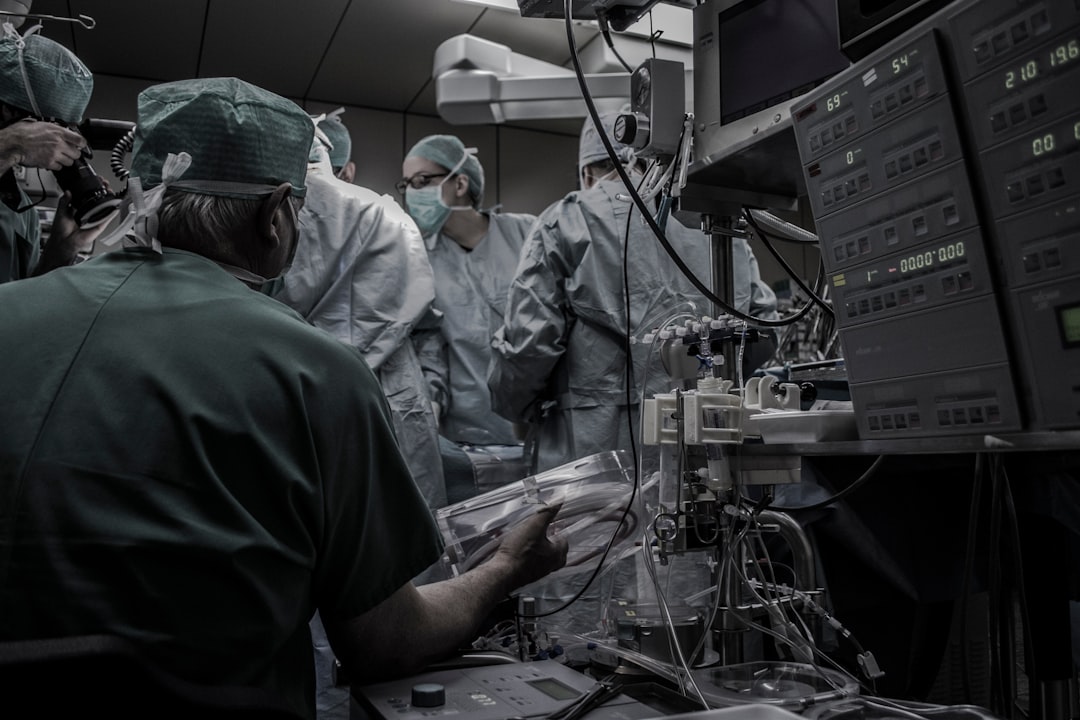
Anesthesiologists screen for sleep apnoea before surgery because the condition significantly increases risks during and after general anaesthesia.
Before you step into the operating theatre, your anaesthesiologist will likely ask a question that seems oddly personal: do you snore? The question is not mere curiosity about your sleeping habits. Instead, it represents a critical safety protocol designed to identify a common but potentially dangerous condition that can turn routine surgery into a medical emergency.
Snoring is often dismissed as a minor inconvenience, a source of embarrassment or frustration for bed partners. However, for anaesthesiologists and surgeons, snoring serves as a red flag for obstructive sleep apnoea (OSA), a condition in which the airway collapses repeatedly during sleep, interrupting breathing. This seemingly innocuous symptom carries profound implications when a patient is placed under general anaesthesia, where the body's natural protective reflexes are suppressed and the airway becomes vulnerable.
Understanding obstructive sleep apnoea and its surgical risk
Obstructive sleep apnoea affects millions of people worldwide, though many remain undiagnosed. The condition occurs when the muscles at the back of the throat relax excessively during sleep, causing the airway to narrow or close completely. This leads to repeated episodes of shallow breathing or complete cessation of breath, sometimes dozens or even hundreds of times per night. The brain eventually signals the body to wake, restoring normal breathing, but the cycle repeats throughout the night, leaving sufferers chronically sleep-deprived and their bodies under constant physiological stress.
The prevalence of OSA is far higher than many people realise. Studies indicate that between 2 and 4 per cent of middle-aged adults have clinically significant sleep apnoea, with rates climbing sharply in older populations and among people living with obesity. Men are diagnosed more frequently than women, though this partly reflects differences in screening and reporting rather than true prevalence. The condition is often associated with risk factors including obesity, age, male gender, smoking, and certain anatomical features such as a large neck circumference or recessed jawline.
When a patient with undiagnosed or untreated sleep apnoea undergoes surgery, the risks escalate dramatically. General anaesthesia itself depresses respiratory drive and relaxes the muscles that keep the airway open. For patients with OSA, this creates a perfect storm: a compromised airway meets suppressed breathing reflexes. The result can be severe oxygen desaturation—a dangerous drop in blood oxygen levels—that may occur rapidly and without adequate warning. In some cases, the airway becomes so obstructed that even trained anaesthesiologists struggle to maintain adequate ventilation with standard techniques.
Anaesthetic complications and perioperative risks
The complications arising from unmanaged OSA during surgery extend beyond the operating room itself. Patients with sleep apnoea face elevated risk of difficult intubation, a scenario in which the anaesthesiologist cannot easily pass a breathing tube through the vocal cords. They are also more prone to unexpected oxygen desaturation in the recovery room, when anaesthesia has worn off but the body is still sedated and less able to maintain its own airway. Some patients experience a phenomenon called "rebound apnoea," where the condition temporarily worsens as anaesthetic drugs clear from the body.
Cardiovascular complications represent another major concern. Sleep apnoea is strongly linked to hypertension, irregular heart rhythms, and heart disease. Surgery itself places stress on the cardiovascular system, and patients with OSA enter the operating theatre with hearts already primed for dysfunction. The combination of surgical stress, anaesthesia, and underlying sleep apnoea creates conditions ripe for arrhythmias, myocardial infarction (heart attack), and even sudden cardiac death in the perioperative period.
Postoperative complications also increase significantly. Patients with OSA experience higher rates of infection following surgery, delayed wound healing, and increased hospital stays. They are at greater risk of developing postoperative delirium and cognitive dysfunction. Pain management becomes more complex, as many of the medications used for postoperative analgesia—particularly opioids—can depress breathing further and worsen sleep apnoea, creating a vicious cycle of compromised oxygenation and inadequate pain control.
Screening protocols and risk stratification
Because of these substantial risks, modern anaesthetic practice incorporates formal screening for sleep apnoea as part of the preoperative assessment. The snoring question is typically the first line of enquiry, but anaesthesiologists employ more comprehensive screening tools as well. The STOP-BANG questionnaire, a widely used assessment tool, evaluates snoring, tiredness, observed apnoeas, blood pressure, body mass index, age, neck circumference, and gender. Patients scoring high on this or similar instruments are flagged as at-risk, prompting further investigation or heightened perioperative vigilance.
Not every patient who snores has sleep apnoea, and not every case of sleep apnoea carries the same surgical risk. Simple snoring, without actual airway obstruction, poses minimal anaesthetic hazard. Conversely, a patient with severe, untreated OSA requiring emergency surgery faces formidable challenges. This is why risk stratification is essential. Patients identified as high-risk may undergo formal sleep studies before elective surgery, allowing for a definitive diagnosis and the chance to initiate treatment with continuous positive airway pressure (CPAP) or other therapies preoperatively.
For some patients, the preoperative period offers a unique opportunity. A diagnosis of sleep apnoea made during surgical screening may be the first time the condition has been identified, despite years of unrecognised symptoms. Beginning CPAP therapy weeks before surgery can improve cardiovascular stability, optimise oxygen saturation, and reduce perioperative risk substantially. In this sense, the anaesthesiologist's seemingly routine question can prove life-saving, catching a serious condition that might otherwise have remained hidden.
Anaesthetic management and monitoring strategies
For patients with known or suspected sleep apnoea undergoing surgery, anaesthesiologists adjust their approach accordingly. They may opt for regional anaesthesia (such as spinal or epidural blocks) rather than general anaesthesia whenever possible, avoiding airway manipulation and respiratory depression. When general anaesthesia is necessary, they employ careful induction techniques, use shorter-acting drugs when feasible, and maintain heightened vigilance during the critical phases of airway management and emergence from anaesthesia.
Monitoring becomes more intensive. Patients with OSA typically receive continuous pulse oximetry throughout recovery, and many remain in monitored recovery areas longer than standard practice would dictate. Some anaesthesiologists recommend overnight hospitalisation for high-risk patients undergoing surgery, even if the procedure would normally allow same-day discharge. These precautions reflect the genuine hazard that sleep apnoea poses in the perioperative setting.
Communication between the surgical team and anaesthesia is crucial. Surgeons must understand that patients with sleep apnoea may require longer recovery times, modified pain management strategies, and closer postoperative monitoring. Nursing staff need to be alerted to watch for signs of airway compromise or oxygen desaturation. This coordinated approach transforms the risk posed by sleep apnoea from a hidden danger into a manageable complication.
Broader implications and patient awareness
The routine question about snoring ultimately reflects a larger reality: many people live with undiagnosed sleep disorders that carry serious health consequences extending far beyond poor sleep quality. The perioperative setting, with its formal medical assessment and heightened attention to risk, provides a valuable opportunity to identify and address these conditions. A patient who receives a sleep apnoea diagnosis during preoperative screening gains not only improved surgical safety but also the chance to manage a condition that affects overall health, quality of life, and longevity.
This proactive approach has transformed anaesthetic practice over the past two decades. Where once sleep apnoea was rarely considered before surgery, it is now a standard part of risk assessment. The simple question about snoring, asked thousands of times daily in hospitals and surgical centres worldwide, represents the distillation of decades of research into anaesthetic complications and a commitment to patient safety that defines modern medical practice. For patients facing surgery, answering honestly about snoring and sleep quality is one of the most important contributions they can make to ensuring their own safety in the operating theatre.