A newly documented reptile species captures the imagination of herpetologists and wildlife enthusiasts, offering rare insights into Southeast Asian biodiversity.
In the dense, humid jungles of Southeast Asia, a creature moves through leaf litter and shallow streams with an appearance so striking that it seems borrowed from the pages of fantasy literature. The dragon snake, a small and extraordinarily rare reptile, has long fascinated scientists and nature enthusiasts alike, yet remains one of the least studied serpents on the planet. With its distinctive ridge-like scales running along its body and a head shape that appears almost prehistoric, this enigmatic species represents a window into the region's hidden biodiversity.
The dragon snake belongs to the genus Xenophis, and its scientific classification reflects the mystery surrounding it. Found primarily in the rainforests and wetlands of Southeast Asia, this reptile inhabits an ecological niche so specialised that encounters with humans are extraordinarily rare. The species' reclusive nature and preference for remote, waterlogged habitats mean that even dedicated herpetologists may spend years without observing one in its natural environment.
A Creature of Mythical Appearance
What distinguishes the dragon snake from other serpent species is its unmistakable morphology. The reptile's body is covered in prominent, keeled scales that create a series of ridges running the length of its frame, giving it a segmented, armoured appearance. These scales catch light in a manner that highlights the serpent's subtle colouration, typically ranging from dark browns to near-black hues, often with lighter markings along the body.
The head of the dragon snake is particularly distinctive. Broader and flatter than typical snake heads, it tapers gradually into the body, and the reptile's small, beady eyes and relatively compact snout contribute to an expression that observers often describe as ancient or otherworldly. The overall silhouette, combined with the pronounced dorsal ridging, creates a visual impression that immediately sets this species apart from more commonly encountered serpents.
This unusual appearance has made the dragon snake an object of particular interest among wildlife photographers and nature documentarians. When images of the species circulate on social media and wildlife platforms, they invariably draw comments comparing the reptile to creatures from fantasy fiction. Yet this striking appearance is not mere ornament—every physical feature of the dragon snake represents an adaptation to its specific ecological role and habitat requirements.
Habitat and Behaviour in the Wild
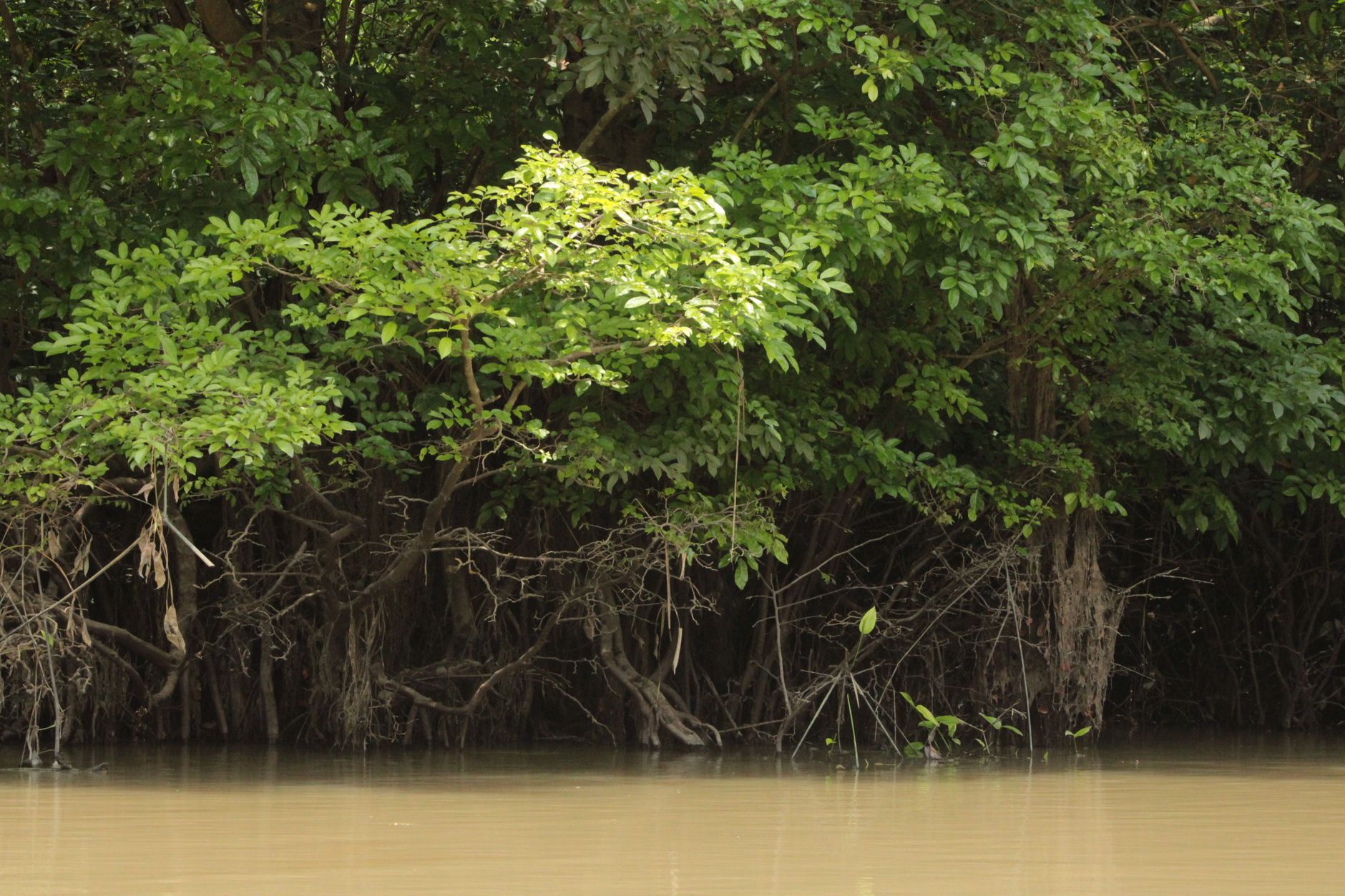
The dragon snake is adapted to life in one of Earth's most challenging environments: the flooded forests and wetlands of mainland Southeast Asia. The species is primarily nocturnal, becoming active during the cooler hours of darkness when humidity levels peak and the forest floor becomes more accessible. During daylight hours, the reptile remains concealed beneath logs, leaf litter, or submerged root systems, emerging only when conditions favour hunting.
The diet of the dragon snake consists primarily of small amphibians and aquatic invertebrates, including frogs and aquatic worms. This specialised feeding habit reflects the species' evolution within a particular ecological network. The reptile's relatively small size—typically ranging from 50 to 80 centimetres in length—and its preference for prey items found in wetland environments suggest a predator perfectly calibrated to exploit a specific ecological opportunity.
Reproduction in dragon snakes remains poorly documented, a reflection of how little scientists actually know about this species' life cycle. The species is believed to be oviparous, laying eggs rather than bearing live young, but detailed observations of breeding behaviour, clutch sizes, and incubation periods remain sparse. This knowledge gap underscores the broader challenge of studying creatures that live in remote, difficult-to-access habitats and maintain strictly nocturnal, cryptic lifestyles.
The seasonal flooding patterns of Southeast Asian wetlands appear to drive much of the dragon snake's behaviour. During monsoon seasons, when water levels rise dramatically, the reptile's habitat expands significantly, potentially allowing for greater movement and feeding opportunities. Conversely, during drier periods, the species likely concentrates in permanent water bodies, making it more vulnerable to localised disturbances.
Scientific Study and Conservation Challenges
The dragon snake presents a particular challenge for conservation biologists and herpetologists. Because the species is so rarely encountered, basic information about population size, geographic distribution, and population trends remains speculative. Scientists cannot accurately assess whether the species is stable, declining, or expanding, making evidence-based conservation planning extremely difficult.
The International Union for Conservation of Nature has classified the dragon snake as a species of least concern, a designation based more on the absence of documented threats than on solid evidence of population health. This distinction reflects a broader problem in wildlife conservation: many species receive this classification simply because they are so poorly studied that no one can document their decline until it is potentially too late.
Habitat loss and degradation represent the most significant long-term threats to the dragon snake. Wetlands across Southeast Asia have been drained, converted to agricultural land, and fragmented by human development for decades. The construction of dams, irrigation systems, and roads has altered water flow patterns and destroyed the flooded forests that dragon snakes depend upon. Climate change poses an additional threat, as shifting rainfall patterns and changing water tables could render currently suitable habitats unsuitable.
Additionally, the illegal wildlife trade poses a potential risk to the species. The dragon snake's striking appearance has made it attractive to private reptile collectors, and smuggling networks have occasionally attempted to capture specimens for the exotic pet trade. International regulations on reptile trade provide some protection, but enforcement in remote regions remains challenging.
Broader Implications for Biodiversity Understanding
The dragon snake's relative obscurity highlights a fundamental gap in human knowledge of biodiversity. The planet contains millions of species, and scientists estimate that a substantial proportion of these creatures remain formally undescribed or poorly studied. In the case of the dragon snake, a species that has been known to science for decades remains profoundly mysterious, with more questions than answers surrounding its ecology and conservation status.
This knowledge gap has practical implications for conservation efforts across Southeast Asia. When conservation planners lack basic information about species' biology and ecology, they cannot design effective strategies to protect them. Resources allocated to habitat preservation must be based on understanding which species depend on which habitats and what minimum requirements those species need for survival.
The dragon snake also underscores the importance of long-term field research in remote locations. Understanding the species' life history, population dynamics, and ecological relationships requires patient observation in challenging environmental conditions. Such research demands funding, expertise, and institutional commitment—resources that are not always readily available in developing countries where many of the world's most biodiverse ecosystems are located.
Furthermore, the dragon snake's existence reminds us that the natural world continues to harbour creatures of remarkable form and specialisation. The evolutionary processes that produced a serpent with such distinctive features operated across millions of years, shaping an organism exquisitely adapted to a particular ecological niche. Preserving such creatures means preserving not just individual animals, but the evolutionary narratives they represent and the ecological relationships they embody.
As climate change accelerates and human populations continue to expand into previously wild areas, species like the dragon snake face an uncertain future. The window for understanding and protecting these creatures remains open, but it is gradually closing. Increased investment in tropical biodiversity research, stronger protection for critical wetland habitats, and greater international cooperation on conservation efforts could determine whether the dragon snake remains a living part of Southeast Asia's ecosystems or becomes merely a curiosity documented in scientific literature and museum collections.