A determined fitness enthusiast from India has made exercise his life's calling, challenging societal norms around physical fitness and inspiring thousands through unconventional methods.
Rohtash Chaudhary has made a simple yet profound statement about the role of physical activity in human life: exercise is not a hobby, but a necessity. Known across India as the 'Push-ups Man', Chaudhary has transformed himself into a beacon of fitness inspiration, dedicating his life to promoting exercise as an essential component of daily living rather than an optional pursuit for the elite or the already fit.
His journey reflects a broader shift in how Indians are beginning to conceptualise fitness—not as a luxury confined to air-conditioned gymnasiums, but as an accessible, fundamental practice that belongs to everyone, regardless of socioeconomic background, age, or prior athletic experience. In a country where sedentary lifestyles have become increasingly common due to desk jobs, urbanisation, and changing cultural patterns, Chaudhary's message carries particular resonance.
From Personal Transformation to Public Mission
Rohtash Chaudhary's path to becoming India's 'Push-ups Man' was not born from privilege or lifelong athleticism. Rather, it emerged from a personal realisation about his own health and a subsequent determination to share that awakening with others. His philosophy—that exercise transcends hobby status and enters the realm of necessity—stems from observing how sedentary living has silently eroded the health of millions across India.
What sets Chaudhary apart from conventional fitness influencers is his approach. Rather than promoting expensive gym memberships, designer workout gear, or elaborate supplements, he champions the idea that the human body itself is the most effective training tool. Push-ups, a simple bodyweight exercise requiring no equipment and minimal space, have become his signature method of spreading this message. The choice is deliberate: push-ups are democratic, accessible, and effective—qualities that align perfectly with his mission to democratise fitness.
His transformation into a public figure has not been driven by vanity or the pursuit of social media fame, though his influence has grown considerably across digital platforms. Instead, it reflects a genuine passion for addressing what he perceives as a health crisis in contemporary India. The nickname 'Push-ups Man' is not self-appointed but rather a title earned through consistent, visible effort and an unwavering commitment to his cause.
Challenging Societal Perceptions of Fitness
In Indian society, fitness has historically been associated with specific demographics: young athletes, body builders pursuing competitions, or the urban middle class with disposable income for gym memberships. This narrow perception has left vast segments of the population—office workers, homemakers, elderly individuals, and those from lower-income brackets—viewing fitness as irrelevant to their lives or simply unattainable.
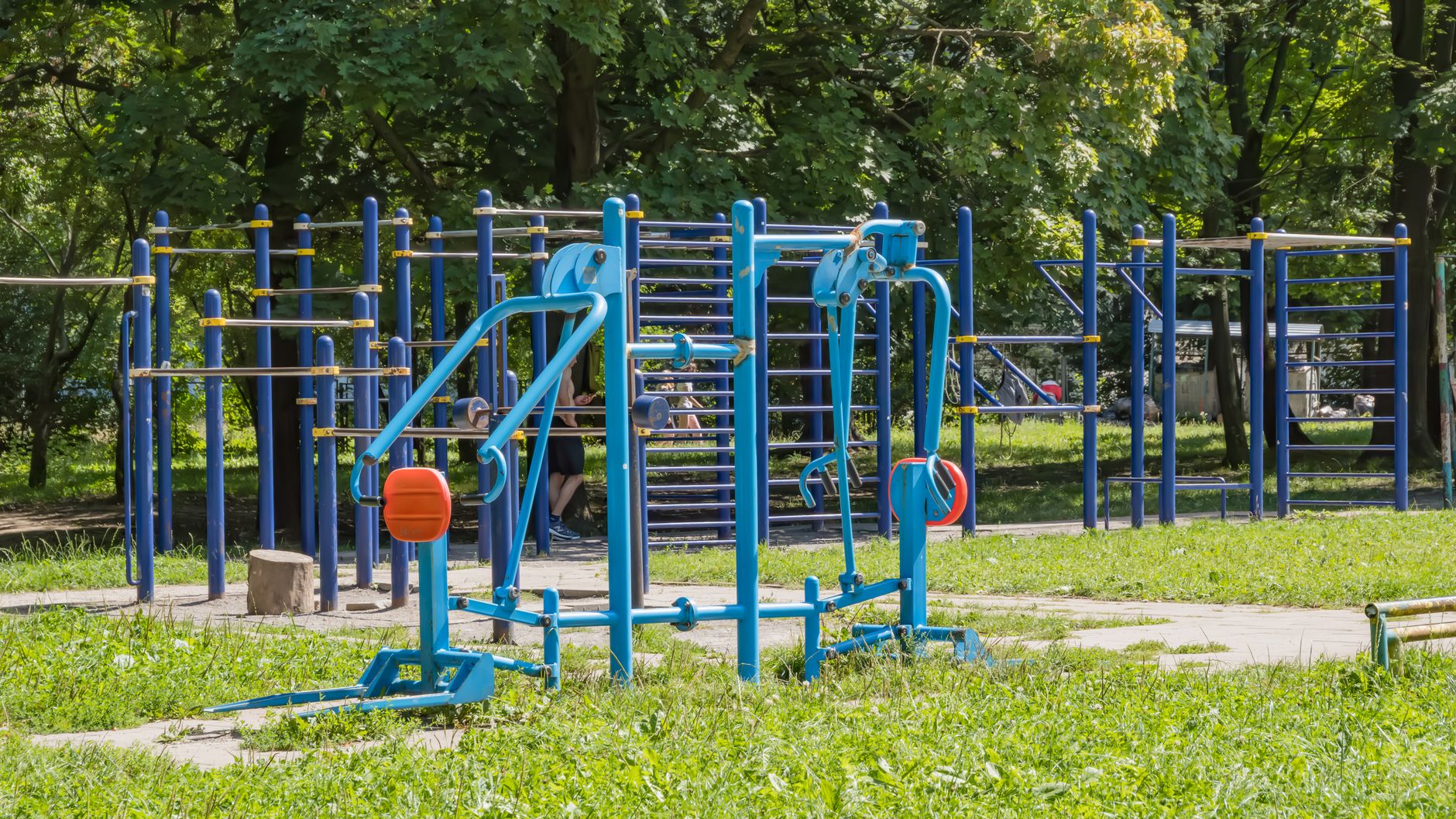
Chaudhary's work directly confronts these limiting beliefs. By demonstrating that meaningful physical activity can happen anywhere—on a street corner, in a park, within one's home, or in a community space—he has begun dismantling the myth that fitness requires special infrastructure or financial investment. His public demonstrations and advocacy have made exercise visible and normalised in contexts where it was previously absent.
The psychological impact of his message should not be underestimated. When individuals see someone like themselves—someone without celebrity status or superhuman genetics—committing to and achieving fitness goals, it creates a powerful permission structure. It tells people that they, too, are capable of change, regardless of their starting point. This democratisation of fitness aspiration is perhaps his most significant contribution to Indian culture.
The Broader Health Context in India
Rohtash Chaudhary's emergence as a fitness advocate arrives at a critical moment in India's public health landscape. The country faces a dual health burden: traditional challenges like malnutrition and infectious diseases persist in many regions, while simultaneously, lifestyle diseases—obesity, type 2 diabetes, cardiovascular disease, and hypertension—are rising at alarming rates, particularly in urban and semi-urban areas.
The World Health Organisation and various Indian health authorities have consistently flagged physical inactivity as a major risk factor for non-communicable diseases. Yet despite these warnings, India's physical activity levels remain concerningly low, with many studies indicating that a significant proportion of the urban population engages in minimal structured exercise. The reasons are manifold: long working hours, traffic congestion that discourages outdoor activity, the rise of desk-bound jobs, air pollution in many cities, and a cultural mindset that does not yet fully integrate exercise into daily routine.
Against this backdrop, advocates like Chaudhary serve a crucial function. They are not replacing medical professionals or nutritionists, but rather functioning as cultural translators—making the abstract concept of 'health' tangible and achievable. His insistence that exercise is a need, not a hobby, reframes physical activity as a non-negotiable aspect of self-care, similar to eating or sleeping.
Methods, Impact, and Ongoing Advocacy
Chaudhary's advocacy extends beyond personal example. He has actively engaged with communities, conducted fitness sessions in public spaces, used social media platforms to reach broader audiences, and consistently communicated his message through both direct interaction and digital channels. His work demonstrates how individual commitment can generate grassroots momentum around public health issues.
The effectiveness of his approach lies partly in its simplicity and partly in its authenticity. He does not promise rapid transformations, miracle cures, or shortcuts to fitness. Instead, he advocates for consistency, discipline, and the integration of exercise into daily life as a fundamental habit—much like brushing one's teeth or bathing. This philosophy, while less flashy than transformation narratives that dominate fitness media, is arguably more sustainable and more applicable to the general population.
His influence has rippled outward, inspiring others to take up fitness pursuits, creating informal fitness communities, and contributing to a gradual cultural shift in how exercise is perceived. Teachers, office workers, homemakers, and elderly individuals have reportedly been motivated by his example to begin their own fitness journeys. While quantifying this impact precisely is difficult, the anecdotal evidence suggests that his message has resonated across demographic boundaries.
Furthermore, Chaudhary's work exists within a larger ecosystem of fitness advocates, health influencers, and public health workers across India. Yet his particular contribution—the focus on simplicity, accessibility, and the reframing of exercise as necessity rather than luxury—addresses a gap in how fitness messaging has historically been communicated in the Indian context.
Looking Forward: Sustainability and Scale
As India's health challenges continue to evolve, the role of individuals and communities in promoting physical activity will remain crucial. While government initiatives, urban planning that encourages activity, workplace wellness programmes, and school-based fitness education are all necessary, grassroots advocates like Rohtash Chaudhary fill an important gap. They provide visible, relatable examples of commitment and change.
The question now is how to scale and sustain such advocacy. Can Chaudhary's message reach beyond those who have already encountered him through social media or public demonstrations? How can the cultural shift he represents become embedded in everyday Indian life? These are challenges not unique to him but relevant to any fitness or health advocacy movement seeking to create lasting change.
Rohtash Chaudhary's journey from personal realisation to public mission exemplifies how individual conviction, combined with a clear and simple message, can begin to reshape cultural attitudes. His assertion that exercise is a need, not a hobby, is neither revolutionary in medical terms nor new in fitness philosophy. Yet in the Indian context, where fitness remains a privilege in the minds of many, it represents a necessary and timely intervention. Whether through push-ups or any other form of physical activity, his core message endures: movement is not optional, and the human capacity for fitness belongs to everyone.