Nutritionists outline practical strategies for consuming 90 grams of protein daily without relying on eggs or meat.
Obtaining adequate protein without consuming eggs or meat has become an increasingly common dietary goal for many Indians, whether for ethical, environmental, or health reasons. Meeting a daily target of 90 grams of protein—roughly equivalent to the recommended intake for an average adult of moderate to high activity levels—is entirely achievable through a diverse range of plant-based and alternative animal-derived sources that are both nutritionally sound and readily available in Indian kitchens and markets.
The widespread assumption that protein is synonymous with chicken, fish, or eggs overlooks the substantial protein content found across numerous traditional and contemporary food categories. Pulses, legumes, dairy products, nuts, seeds, and whole grains—staples of Indian cuisine for centuries—collectively offer more than sufficient amino acid profiles to support muscle maintenance, tissue repair, and overall metabolic function.
Pulses and Legumes: The Foundation of Plant Protein
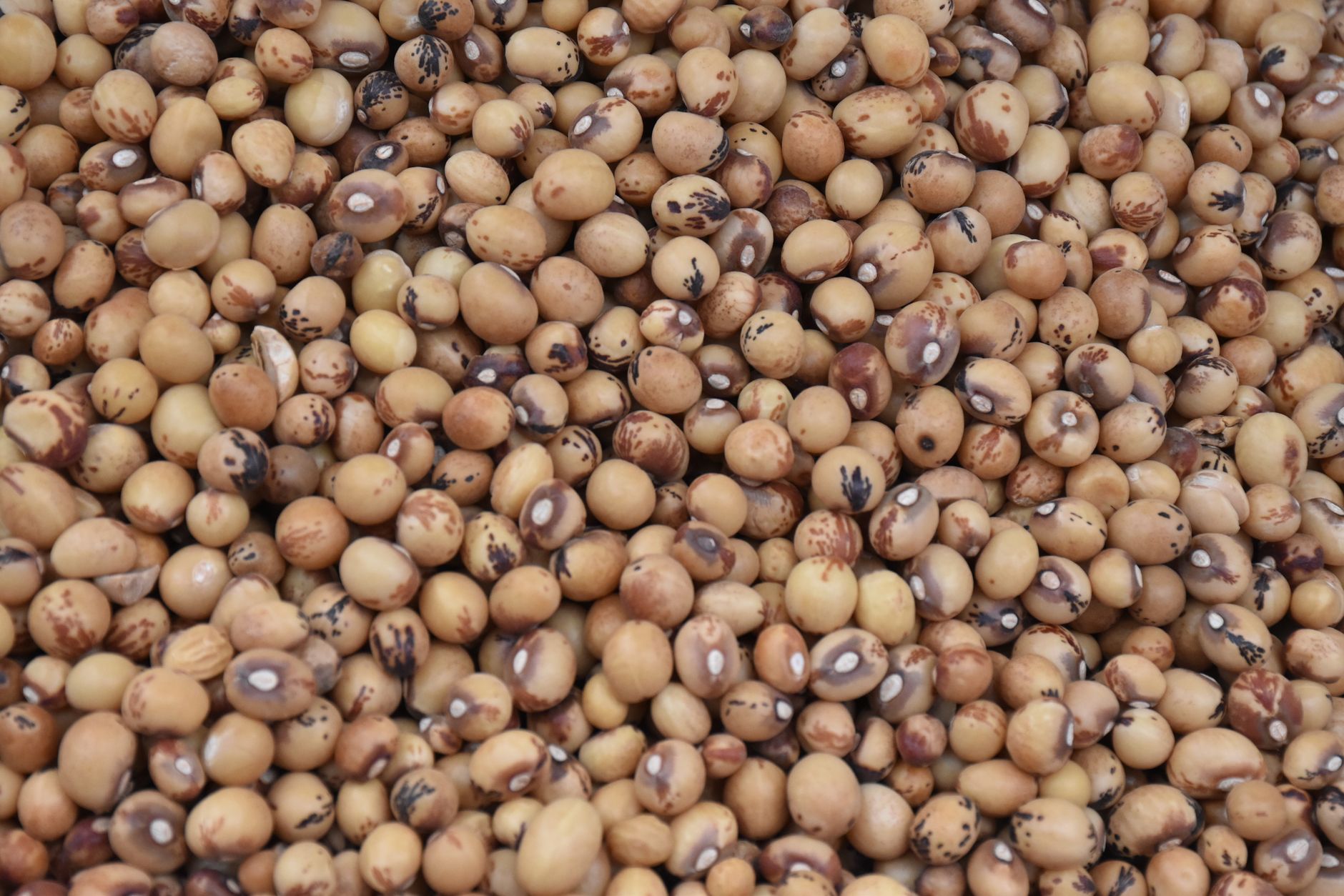
Pulses form the backbone of Indian vegetarian protein intake and represent one of the most cost-effective and nutrient-dense sources available. A single cup of cooked chickpeas (chana) delivers approximately 19 grams of protein, whilst red lentils (masoor dal) provide around 9 grams per half-cup of cooked dal. Moong dal, urad dal, and arhar (toor) dal similarly contribute substantial protein quantities whilst being central to traditional Indian cooking.
Black beans, kidney beans, and pinto beans—increasingly popular across urban Indian households—contain 15 to 18 grams of protein per cooked cup. The versatility of these legumes extends from traditional curries and sambar to modern salads and grain bowls, making them simple to incorporate into daily meals. When combined with whole grains such as rice or wheat, pulses create a complete amino acid profile, providing all nine essential amino acids necessary for human health.
For those seeking convenience without sacrificing nutrition, tinned pulses offer a practical alternative to dried varieties, requiring no soaking or extended cooking time. A 400-gram tin of chickpeas or beans contains roughly 12 to 15 grams of protein, making them ideal for quick meal preparation during busy weekdays.
Dairy and Milk-Based Products
Dairy remains one of the most accessible protein sources for non-vegetarians who avoid meat and eggs. A single cup of cow's milk contains approximately 8 grams of protein, whilst Greek yoghurt—increasingly available across Indian supermarkets—provides between 15 to 20 grams per 200-gram serving. Paneer, the fresh cheese integral to Indian cuisine, delivers roughly 28 grams of protein per 100 grams, making it an exceptionally efficient protein source for vegetarian diets.
Cottage cheese (chikhalwali), whilst less common than paneer, offers similar nutritional profiles and can be incorporated into both savoury and sweet preparations. Milk-based beverages, including lassi and buttermilk, contribute additional protein alongside their probiotic benefits, supporting digestive health. For those with lactose sensitivity, lactose-free milk variants maintain identical protein content whilst improving digestibility.
Cheese products, particularly aged varieties, concentrate protein significantly—a 30-gram serving of cheddar or similar hard cheese contains approximately 7 to 8 grams of protein. Whilst cheese should not constitute the primary protein source due to higher saturated fat content, strategic incorporation into meals enhances both flavour and protein density.
Nuts, Seeds, and Plant-Based Alternatives
Tree nuts and seeds offer exceptional protein density alongside healthy fats and micronutrients essential for cardiovascular and metabolic health. Peanuts, technically a legume, contain 7 grams of protein per ounce, whilst almonds provide 6 grams per ounce. Cashews, walnuts, and pistachios similarly contribute 5 to 6 grams per ounce, making them valuable snacking options that bridge meals without requiring cooking preparation.
Seeds deserve particular attention: pumpkin seeds contain 9 grams of protein per quarter cup, whilst sunflower seeds provide 6 grams. Hemp seeds, increasingly available in Indian health food stores, deliver 10 grams of complete protein per three tablespoons. Sesame seeds (til), long used in Indian sweets and savoury dishes, contribute 3 grams per tablespoon alongside calcium and other minerals.
Plant-based meat alternatives—including tofu, tempeh, and seitan—have gained significant traction in metropolitan Indian markets. Tofu, made from soy milk, contains 10 to 15 grams of protein per 100-gram serving, whilst tempeh, a fermented soy product, provides 19 grams per 100 grams and offers superior digestibility compared to whole soybeans. Seitan, derived from wheat gluten, contains approximately 25 grams of protein per 100 grams, making it one of the highest plant-based protein sources available.
Soy milk and other plant-based milk alternatives have been fortified to match dairy milk's protein content, typically providing 6 to 8 grams per cup. This development has expanded options for those avoiding dairy whilst maintaining adequate protein intake.
Whole Grains and Strategic Meal Combination
Whole grains, though not conventionally considered primary protein sources, contribute meaningfully to daily totals when consumed consistently. Quinoa stands apart with 8 grams of protein per cooked cup and remains the only plant-based complete protein source. Oats provide 5 grams per half-cup dry, whilst whole wheat bread delivers 4 grams per slice. Brown rice, millet (bajra), and sorghum (jowar) similarly contribute 3 to 5 grams per serving.
The complementary protein principle—consuming different plant-based proteins together to create a complete amino acid profile—remains scientifically valid and practically straightforward. A meal combining dal with rice, or hummus with whole grain bread, ensures all nine essential amino acids are present, equivalent to consuming animal-derived protein. This approach has sustained vegetarian populations across India for millennia and requires no supplementation or specialised knowledge beyond traditional meal combinations.
Sprouted grains and legumes further enhance protein bioavailability and nutrient absorption, offering an additional strategy for maximising protein utilisation within the body. Sprouting reduces antinutrient content whilst increasing micronutrient density, creating a nutritionally superior final product.
Practical Daily Strategies for Meeting 90 Grams
Achieving 90 grams of daily protein without eggs or meat becomes straightforward through consistent meal planning. A breakfast comprising oatmeal (5 grams) with Greek yoghurt (15 grams) and almonds (6 grams) provides 26 grams. A mid-morning snack of peanut butter on whole grain toast (12 grams combined) adds another 12 grams. Lunch featuring a chickpea curry (19 grams) with basmati rice (4 grams) and a paneer side dish (14 grams) delivers 37 grams. An afternoon snack of mixed nuts and seeds (8 grams) bridges the day, whilst dinner featuring lentil soup (12 grams) with whole grain bread (4 grams) and cottage cheese (14 grams) provides 30 grams. This realistic daily scenario totals approximately 115 grams of protein without any animal flesh or eggs.
Variety remains crucial not merely for nutritional completeness but also for sustained adherence to dietary goals. Rotating between different pulses, nuts, grains, and dairy products prevents palate fatigue whilst ensuring diverse micronutrient intake. Cultural and regional Indian cuisines offer enormous variety in preparation methods—from north Indian paneer dishes to south Indian sambar, from Gujarati sprouted preparations to Bengali sweets incorporating milk solids—providing both nutritional adequacy and genuine culinary enjoyment.
Meeting protein targets without eggs or meat reflects neither deprivation nor dietary limitation but rather engagement with nutritional science and the profound food traditions embedded within Indian culture. The abundance of plant-based and dairy protein sources available to Indian consumers, combined with scientific understanding of protein complementation, renders 90 grams daily entirely achievable, sustainable, and deeply rooted in centuries of proven nutritional practice.