The renowned educator and innovator has constructed a sustainable residence in Ladakh using age-old building techniques adapted for modern environmental consciousness.
Sonam Wangchuk, the celebrated educator and social innovator known for founding the Students' Educational and Cultural Movement of Ladakh (SECMOL), has designed and built a residential home in Ladakh that exemplifies the marriage of traditional Himalayan construction methods with contemporary sustainability principles. The dwelling stands as a testament to how vernacular architecture—refined over centuries in one of India's most challenging climates—can address modern environmental concerns without abandoning cultural heritage.
The home's construction reflects Wangchuk's broader philosophy of developing solutions rooted in local knowledge and resources. Rather than importing modern building materials and techniques from the plains, the residence employs materials sourced from the surrounding landscape and construction methods that have proven their resilience across generations in the high-altitude Ladakh region. This approach not only minimises the environmental footprint of the building itself but also demonstrates the viability of sustainable living in extreme climates.
Traditional Design Meets Modern Sustainability
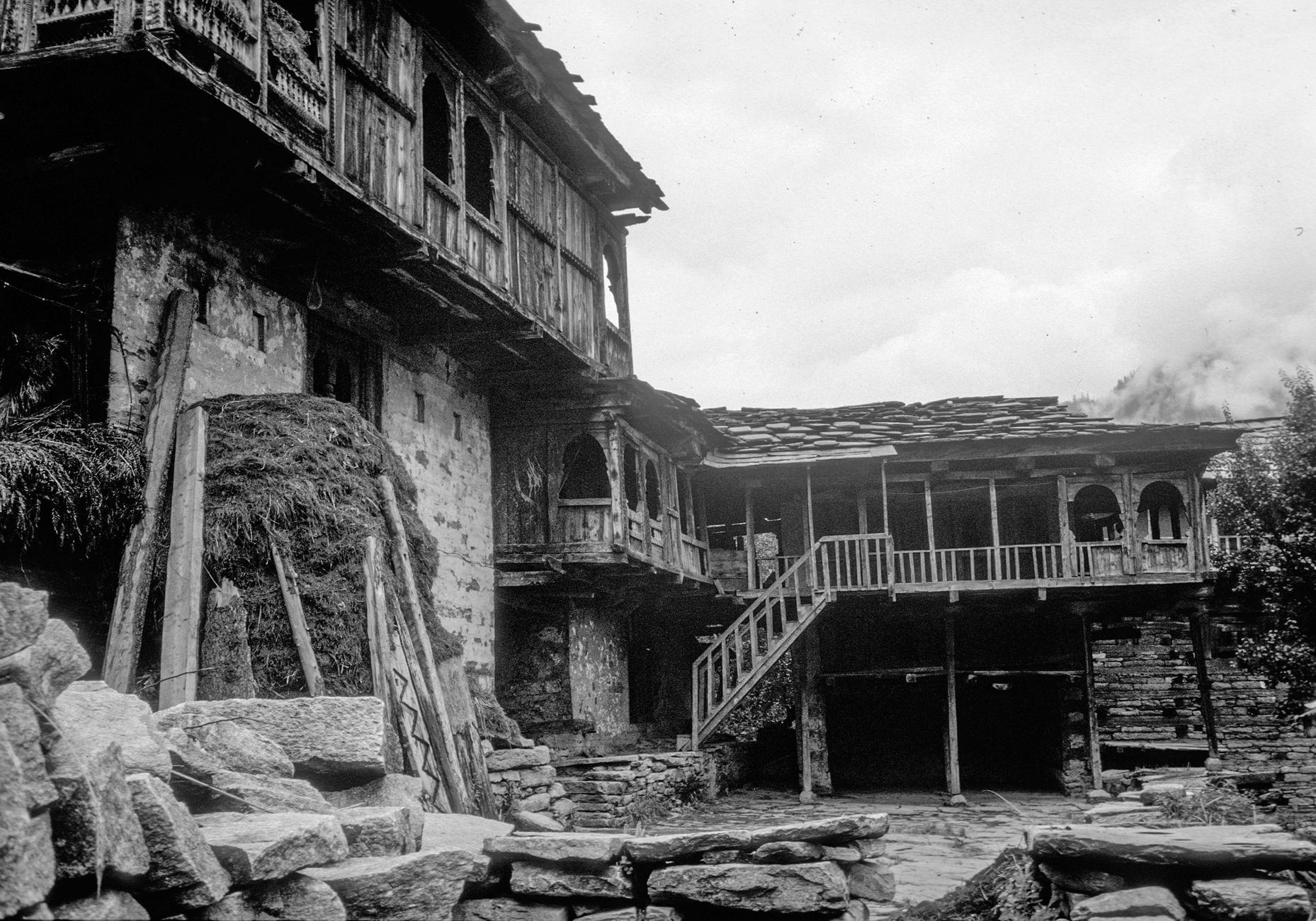
The architecture of Wangchuk's Ladakh home draws heavily on principles that have guided Himalayan construction for centuries. Stone and mud brick form the primary structural elements, materials abundantly available in the region and requiring minimal processing or transportation. These materials provide excellent thermal mass, absorbing heat during the day and releasing it gradually at night—a crucial advantage in a region where temperatures can plummet well below freezing during winter months.
The building's orientation and window placement have been carefully considered to maximise passive solar gain during the cold season while minimising heat loss. Thick walls, a common feature of traditional Ladakhi architecture, serve as insulators against the harsh mountain climate. The design also incorporates sloped roofs designed to shed heavy snow loads—a practical necessity in an area that receives substantial winter precipitation. These time-tested solutions eliminate the need for energy-intensive mechanical heating systems, reducing both operational costs and environmental impact.
Wangchuk's residence incorporates natural ventilation strategies that maintain air quality and temperature regulation without reliance on air-conditioning systems. The placement of openings, internal courtyards, and chimney effects facilitate air circulation, a principle understood and applied by Himalayan builders long before modern HVAC engineering emerged. Such features were not designed for aesthetic reasons alone but represented practical responses to the environmental conditions of high-altitude living.
Water Management and Resource Efficiency
Water scarcity presents one of the primary challenges in Ladakh, where the arid climate and seasonal availability of water resources demand careful management. The home incorporates systems for rainwater harvesting and groundwater conservation, ensuring that every drop is utilised efficiently. These systems reflect both traditional water-harvesting practices historically employed in the region and contemporary understanding of hydrological cycles and sustainable resource management.
The residence demonstrates how traditional knowledge and modern conservation principles can converge. Indigenous water management techniques—such as the construction of channels and tanks to capture and store seasonal runoff—have been refined and integrated into the building's infrastructure. This approach ensures that the home remains self-sufficient during periods of water scarcity while contributing to the broader sustainability of the local ecosystem.
Waste management systems within the home address both human waste and other domestic byproducts through environmentally responsible methods. Composting toilets, greywater recycling systems, and careful waste segregation minimise the residence's burden on local water resources and reduce contamination risks in the fragile Ladakh environment. These systems require minimal external inputs and demonstrate how traditional sanitation practices can be upgraded to meet contemporary health and environmental standards.
Sonam Wangchuk's Vision and Broader Impact
Wangchuk's career has consistently focused on developing locally appropriate solutions to challenges facing Ladakh and the broader Himalayan region. His work with SECMOL, which he established in 1987, has pioneered alternative education models that emphasise practical skills, environmental awareness, and cultural preservation. The construction of this sustainable home represents an extension of that philosophy into the physical realm—demonstrating that sustainable living is not merely an abstract ideal but a practical, achievable reality.
The educator's influence extends beyond Ladakh. His innovations in renewable energy, water conservation, and sustainable architecture have attracted international attention and inspired similar initiatives across India and South Asia. The home itself functions as a living laboratory, where visitors and students can observe firsthand how traditional and modern principles of sustainability interact. This educational dimension aligns with Wangchuk's conviction that environmental consciousness must be grounded in tangible, replicable examples.
Wangchuk has long advocated for the development of technologies and practices suited to Ladakh's unique context rather than importing solutions designed for different climates and cultures. His work has challenged the assumption that progress necessarily requires abandonment of traditional knowledge. The home embodies this conviction, proving that sophisticated sustainable living can emerge from deep understanding of local conditions, materials, and wisdom.
Implications for Himalayan Architecture and Climate Action
The significance of Wangchuk's residence extends beyond its individual environmental credentials. As climate change intensifies pressure on mountain ecosystems and communities, the architectural and design principles demonstrated in this home offer valuable insights for sustainable development across the Himalayan region. The building shows that high-altitude communities need not choose between cultural continuity and environmental responsibility—the two can be mutually reinforcing.
Traditional Himalayan architecture evolved over centuries to optimise human comfort and survival in one of the world's most challenging environments. As global temperatures rise and weather patterns become increasingly unpredictable, the accumulated wisdom embedded in these building traditions gains renewed relevance. Modern architects and planners increasingly recognise that vernacular designs often embody sophisticated environmental adaptation that contemporary engineering continues to validate scientifically.
The home also speaks to broader questions about development and modernity in India's mountain regions. Infrastructure projects in Ladakh and neighbouring areas often prioritise rapid construction and standardised designs, frequently imported from the plains without adequate consideration for local conditions. Wangchuk's approach demonstrates an alternative pathway—one that respects both environmental limits and cultural identity while achieving contemporary standards of comfort and functionality.
For policymakers and planners considering infrastructure development in fragile mountain ecosystems, the principles demonstrated in Wangchuk's residence offer practical guidance. Building codes and construction standards for Himalayan regions could be revised to encourage or mandate the incorporation of passive solar design, natural ventilation, and locally sourced materials. Such measures would reduce the carbon footprint of construction while supporting local economies and preserving cultural heritage.
Sonam Wangchuk's sustainable Ladakh home ultimately represents more than a single residential structure. It embodies a comprehensive philosophy of development that privileges environmental stewardship, cultural continuity, and local self-reliance. As communities worldwide grapple with the imperatives of climate action and sustainable living, the principles demonstrated in this Himalayan residence offer both practical solutions and an important reminder that the path forward often lies in returning to time-tested wisdom—thoughtfully adapted to contemporary needs.