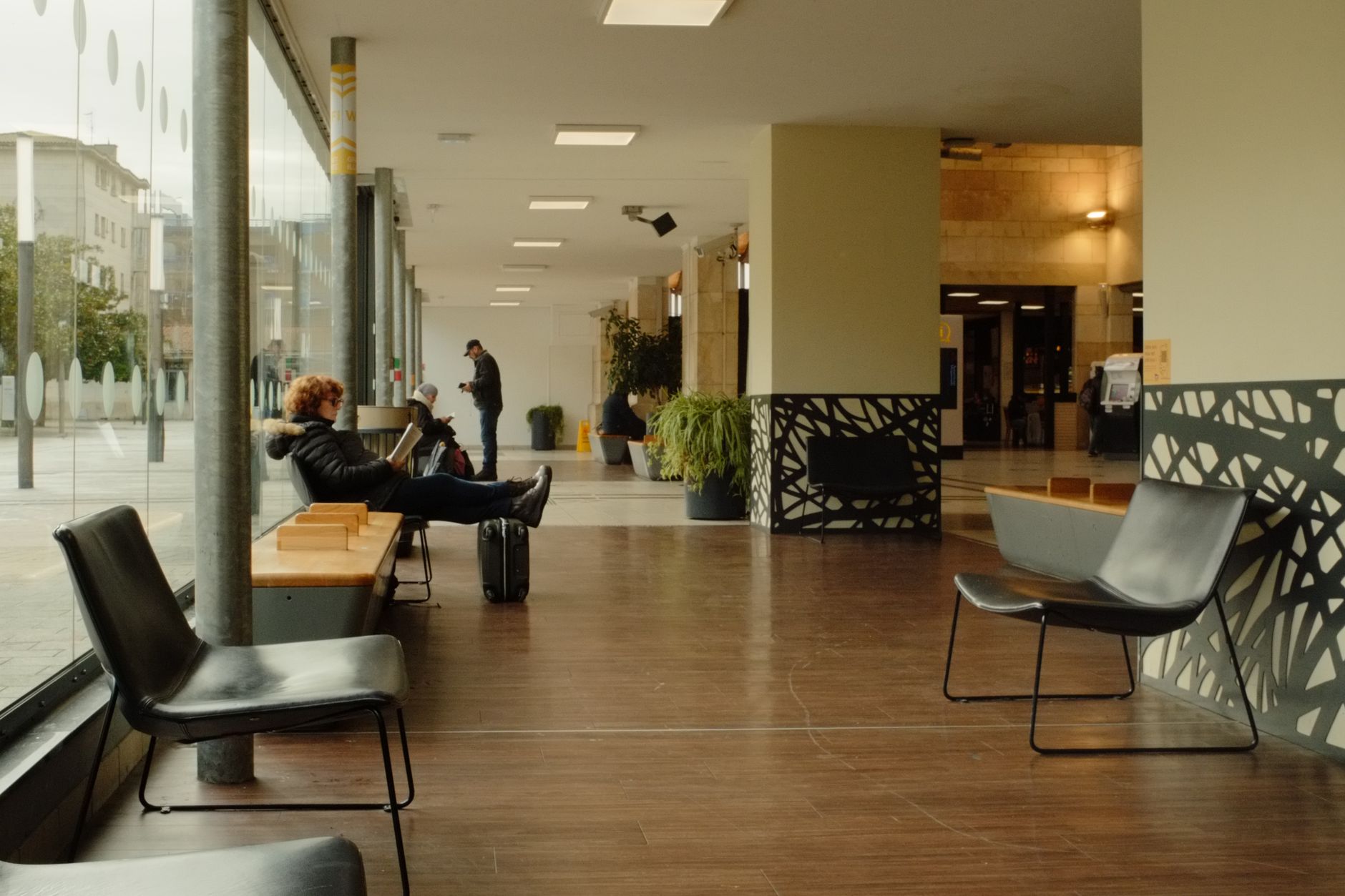
Young professionals are increasingly using cinemas, fitting rooms, and other quiet spaces as informal mental health refuges during the working day.
Young professionals across India and globally are adopting an unconventional coping strategy to manage workplace stress: slipping away to cinemas, shopping mall fitting rooms, and other quiet public spaces during working hours. What was once considered shirking responsibility has evolved into a recognised, if informal, mental health practice among Generation Z workers navigating demanding job environments and the pressure of always-on digital communication.
The phenomenon reflects a broader shift in how younger workers perceive wellbeing at work. Rather than powering through stress in silence or resorting to traditional break rooms, Gen Z professionals are deliberately seeking out spaces designed for solitude and immersion—environments that offer psychological distance from their desks and colleagues.
The Rise of Informal Mental Health Breaks
For many Gen Z workers, the traditional lunch break or designated rest space no longer suffices. Instead, they are gravitating towards cinema halls, shopping mall fitting rooms, parked cars, and quiet corners of bookstores—places that provide both physical separation from the workplace and psychological relief from work-related anxieties.
The appeal of these spaces lies in their dual function. A cinema offers not just entertainment but also a socially acceptable reason to be unreachable for two hours. A fitting room provides privacy and a break from visual overstimulation. These locations offer what workplace wellness experts call "restorative environments"—spaces that allow the mind to reset without requiring explicit permission or explanation to managers.
This trend is not merely about avoiding work. Psychologists note that Gen Z workers, who have grown up with constant digital connectivity, often experience heightened stress from the expectation of perpetual availability. Email notifications, instant messaging apps, and the blurring of work-life boundaries create a psychological state where true disengagement becomes necessary for mental health. Slipping away to a cinema or mall provides that necessary disconnect.
The practice has gained visibility through social media discussions and workplace conversation, with younger employees openly discussing their stress-management tactics in ways previous generations might have considered taboo. This openness reflects a cultural shift in attitudes towards mental health, particularly among workers aged 18 to 30.
Why Traditional Workplace Wellness Fails Gen Z
Many organisations offer employee assistance programmes, counselling services, and wellness initiatives designed to support mental health. Yet Gen Z workers often find these formal structures insufficient or inaccessible. Workplace counselling, for instance, may feel too clinical or may raise concerns about confidentiality and professional reputation.
Additionally, the very culture that necessitates stress management can make using formal wellness resources difficult. Taking a long break to visit an employee counsellor might draw attention or be perceived as a sign of weakness by colleagues or supervisors. In contrast, saying "I'm going to catch a film" or "I need to do some shopping" sounds innocuous and requires no explanation.
The inadequacy of designated break spaces compounds the problem. Many Indian offices, particularly in metropolitan areas where space is at a premium, lack dedicated quiet zones or relaxation rooms. When they do exist, these spaces may feel sterile or uncomfortable, offering little genuine respite. A cinema or mall, by contrast, is designed for leisure and offers an escape into an entirely different environment.
Workplace flexibility also plays a role. Remote work and flexible schedules, accelerated by the pandemic, have made it easier for Gen Z workers to slip away without detection. The expectation of constant productivity, however, means that even working from home does not necessarily provide psychological relief—the pressure remains, merely relocated to one's living space.
The Psychology Behind Unconventional Coping
Mental health professionals recognise several psychological mechanisms at work in this behaviour. First, there is the concept of "attention restoration," whereby the mind requires periodic breaks from focused, demanding tasks. Cinemas and quiet public spaces provide this restoration by shifting attention to something entirely different.
Second, the act of physically leaving the workplace creates what psychologists call "psychological distance." Even if an employee is only kilometres away, the physical separation triggers a mental shift that allows the brain to disengage from work-related stress. This is more effective than remaining in the office, even if technically on break.
Third, these spaces offer anonymity and lack of judgment. In a cinema or fitting room, no one is evaluating the person's productivity or wellbeing. This freedom from scrutiny is itself therapeutic, particularly for younger workers who feel constantly assessed by performance metrics, social media presence, and workplace hierarchies.
The trend also reflects generational differences in defining work. Gen Z workers, more than previous cohorts, view their jobs as one component of their identity rather than its entirety. Taking time for personal restoration is seen as maintaining overall wellbeing, not as disloyalty to an employer. This represents a fundamental philosophical difference from older generations, who may have internalised the belief that dedication means suffering through stress without complaint.
Organisational and Societal Implications
The widespread adoption of informal stress-management tactics raises important questions for employers. On one hand, if workers are managing stress effectively through these methods, productivity may not suffer significantly. On the other hand, the fact that employees feel compelled to hide their stress management suggests that workplace culture itself requires examination.
Forward-thinking organisations are beginning to recognise this. Some companies have responded by introducing more flexible work arrangements, genuinely quiet spaces for relaxation, and mental health support that does not carry stigma. However, many traditional corporate environments have yet to adjust, creating a gap between worker needs and employer provision.
The phenomenon also highlights broader societal stress. Gen Z workers are entering a job market characterised by economic uncertainty, climate anxiety, and social fragmentation. The pandemic disrupted educational trajectories and early career development for millions. These external pressures compound workplace stress, making informal coping mechanisms increasingly necessary.
From a public health perspective, the trend is mixed. While these informal breaks may provide temporary relief, they are not a substitute for systemic change in workplace culture and support systems. Relying on cinema trips and mall visits as primary stress management tools suggests that underlying workplace issues remain unaddressed.
What Comes Next: Adaptation and Change
As Gen Z workers increasingly dominate workforces across India and globally, organisations will face pressure to adapt. The informal coping strategies of today may drive formal policy changes tomorrow. Progressive companies are already experimenting with compressed work weeks, extended break periods, mental health days, and genuinely restorative workplace environments.
The trend also signals a broader cultural shift in how work is valued and structured. Gen Z's willingness to openly discuss stress management and prioritise wellbeing, even if through unconventional means, challenges long-held assumptions about dedication and productivity. This generational stance may ultimately lead to more humane workplace practices that benefit workers of all ages.
For individual workers, the immediate lesson is that acknowledging stress and seeking respite—whether in a cinema hall, a quiet mall, or elsewhere—is not a failure or weakness. It is a recognition of human limitation and a practical approach to maintaining mental health in demanding environments. As workplaces continue to evolve in response to generational expectations, the informal refuges that Gen Z workers have discovered may eventually become formalised, normalised components of workplace wellness.