The state government approves accelerated land acquisition for a new rail link to the strategically significant Jhaldhaka-Bindu-Todey Tangta region, ending years of project delay.
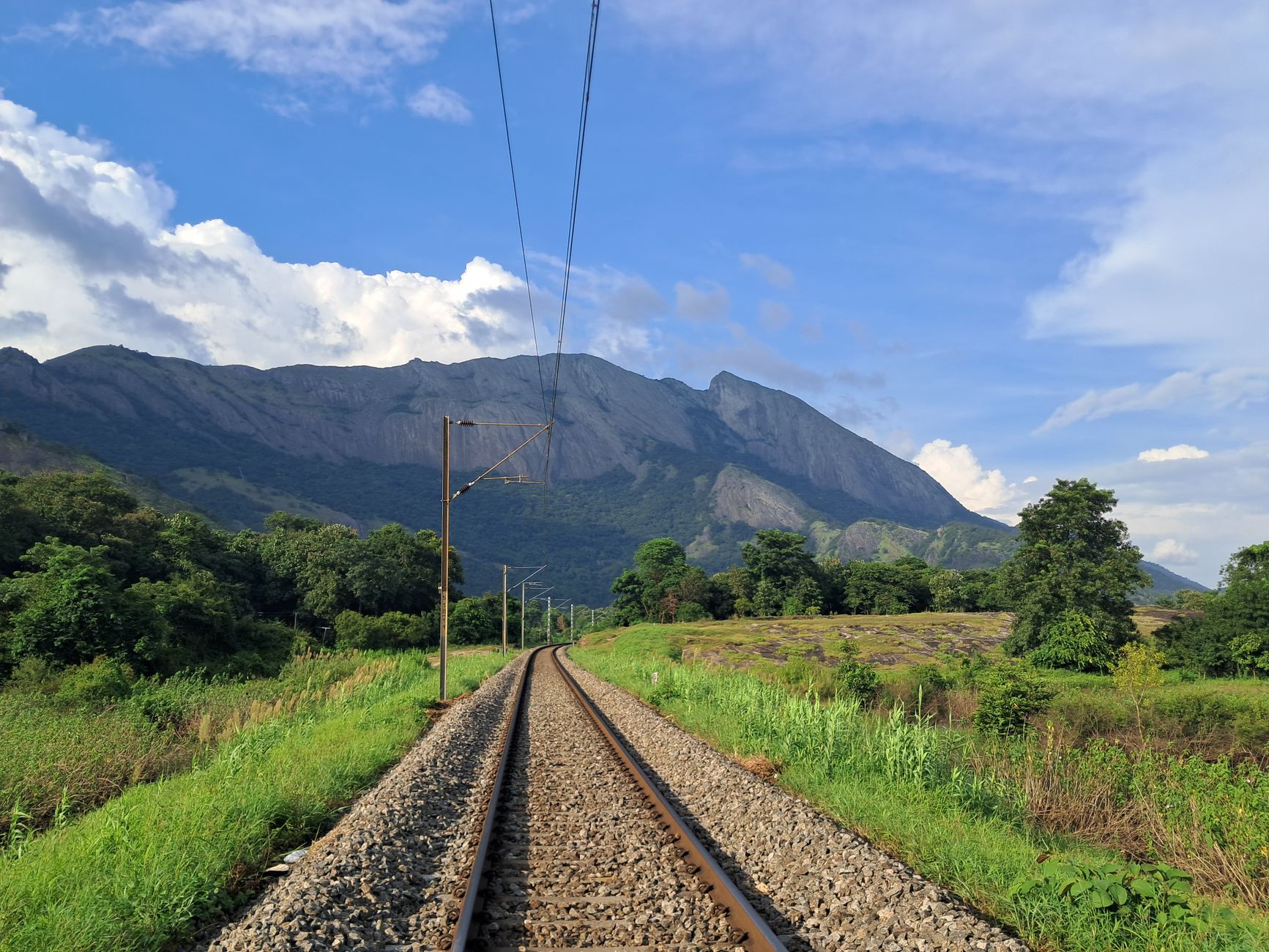
West Bengal has given the green light to expedited land acquisition procedures for a new railway line designed to extend train connectivity into the Jhaldhaka-Bindu-Todey Tangta region, a strategically important area in the state's northern reaches. The decision, announced by the state government, marks a significant shift after the project had remained stalled for years owing to lack of state-level cooperation. The joint survey by the railways and forest department is scheduled to commence following the monsoon season, paving the way for what officials describe as a transformative infrastructure initiative for the region.
Strategic Importance and Regional Context
The railway corridor project carries considerable strategic weight for West Bengal's development agenda. The Jhaldhaka-Bindu-Todey Tangta region, situated in the northern part of the state, has long been identified as an area with significant tourism potential and economic development opportunities. The proximity to Doklam—a region that has featured prominently in India's geopolitical discussions in recent years—adds another layer of importance to the infrastructure initiative.
The region remains relatively remote and underconnected by modern transport infrastructure. A dedicated railway line would fundamentally alter accessibility and connectivity, opening up previously isolated communities to broader economic networks. State planners view the project as essential for balanced regional development, particularly given the state's focus on improving infrastructure in its northern districts, which have historically lagged behind more developed areas.
Tourism Development and Economic Potential
One of the primary drivers behind the railway project is its anticipated impact on tourism in the Jhaldhaka-Bindu-Todey Tangta region. The area possesses natural attractions and cultural heritage sites that remain largely underexploited due to poor accessibility. A functioning railway connection would dramatically reduce travel time from major urban centres, making the region more appealing to domestic and international tourists.
Tourism development carries substantial economic implications for local communities. Improved rail connectivity typically stimulates ancillary sectors including hospitality, retail trade, local handicraft production, and food service industries. Employment opportunities would expand significantly, particularly benefiting youth in the region who currently face limited livelihood prospects. The state government's emphasis on tourism as an economic lever reflects a broader national trend of leveraging cultural and natural heritage for inclusive growth.
The railway project also aligns with West Bengal's broader strategy to diversify its economy beyond traditional sectors. As industrial manufacturing faces global headwinds, tourism and service sectors have assumed greater importance in state planning frameworks. The new rail link represents a concrete investment in this strategic reorientation.
Project Timeline and Implementation Roadmap
The accelerated land acquisition approval signals the government's determination to move the project forward after years of bureaucratic and administrative obstacles. The joint survey by railways and the forest department, scheduled to begin after the monsoon season concludes, represents the immediate next phase. This survey will be critical in finalising the exact alignment of the railway route, identifying land parcels requiring acquisition, and assessing environmental and ecological considerations.
Monsoon season in the region typically extends through September, meaning the survey work would commence in October or November. This timing allows field teams to conduct thorough assessments during the post-monsoon period when weather conditions stabilise and ground conditions are more suitable for detailed surveying work. The survey outcomes will inform detailed project reports, cost estimates, and environmental clearance applications.
The state government's decision to fast-track land acquisition procedures is expected to compress timelines considerably. Standard land acquisition in India involves multiple stages of notification, objection periods, and dispute resolution. Expedited procedures, while still respecting legal requirements, can reduce overall timelines by months or even years. This acceleration reflects the political priority the state administration has assigned to the project.
Overcoming Previous Obstacles
The project's history underscores the complex interplay between state and central government agencies in major infrastructure initiatives. The railway line had remained stalled for an extended period primarily due to the West Bengal government's earlier reluctance to provide necessary cooperation and support. This resistance, rooted in various administrative and political considerations, had effectively frozen the project despite its strategic value.
The change in approach suggests shifting political calculations and administrative priorities within the state government. New leadership or policy reorientation may have prompted a reassessment of the project's merits. The acceleration of land acquisition procedures represents a concrete manifestation of this changed stance.
Such reversals in project status are not uncommon in India's federal system, where state-level cooperation is essential for projects with national strategic importance. The railways ministry, as a central agency, cannot unilaterally proceed with projects requiring substantial land acquisition and state-level coordination. The West Bengal government's approval thus unlocks pathways that were previously blocked, enabling the project to progress toward implementation.
Environmental and Ecological Considerations
The involvement of the forest department in the joint survey indicates that environmental clearance and ecological impact assessment will be integral to project planning. The region's topography and vegetation cover will require careful evaluation to minimise environmental disruption. The survey will identify sensitive ecological zones, assess impacts on local flora and fauna, and determine mitigation measures.
Railway projects in forested or ecologically sensitive regions routinely trigger detailed environmental impact assessments. These assessments must comply with the Environmental Impact Assessment Notification 2006 and other relevant regulations. The joint survey approach, combining railways' technical expertise with forest department's environmental knowledge, represents a pragmatic mechanism for addressing these concerns early in the planning process.
Balancing development imperatives with environmental protection remains a central challenge in India's infrastructure sector. The railway project must demonstrate that tourism benefits and regional development gains justify environmental considerations. Well-designed projects can achieve this balance through route optimisation, habitat corridor preservation, and responsible construction practices.
Broader Regional Development Implications
Beyond the immediate tourism and economic benefits, the railway project carries significance for regional connectivity and integration. West Bengal's northern districts have historically remained somewhat disconnected from mainstream economic networks. Improved rail infrastructure contributes to breaking this isolation, facilitating movement of goods, services, and people.
The project also carries geopolitical dimensions given its location near Doklam. Enhanced infrastructure development in India's northeastern frontier regions supports broader national objectives of strengthening India's presence and development profile in strategically important areas. The railway line represents civilian infrastructure that contributes to regional stability and prosperity.
For the railways ministry, the project represents an opportunity to expand network coverage into underserved regions. India's railway network, while extensive, has significant gaps in coverage, particularly in hilly and forested terrain. Extending services to the Jhaldhaka-Bindu-Todey Tangta region demonstrates commitment to inclusive infrastructure development reaching remote areas.
Implementation Challenges Ahead
Despite the government's accelerated approach, substantial challenges lie ahead. Land acquisition, even with expedited procedures, remains time-consuming and complex. Identifying willing landowners, negotiating compensation, and managing disputes require careful handling. The survey will clarify the scale of land requirements and associated acquisition costs.
Construction in the region's challenging terrain presents engineering complexities. The Jhaldhaka-Bindu-Todey Tangta area's topography requires sophisticated design and construction methodologies. Bridges, tunnels, and embankments must be engineered to withstand the region's weather patterns and geological conditions. Cost estimates will likely reflect these technical challenges.
Funding represents another consideration. Major railway projects require substantial capital investment. Securing adequate budgetary allocations, whether through central government funds, public-private partnerships, or other mechanisms, will be essential for translating approval into actual construction. The state government's commitment to fast-tracking land acquisition suggests corresponding commitment to supporting project financing.
Long-term Strategic Vision
The railway project embodies a broader vision for developing India's northeastern frontier regions. As the country increasingly focuses on balanced regional development and infrastructure connectivity, projects like this railway line gain importance. They contribute to reducing regional disparities and integrating peripheral areas into mainstream economic networks.
For West Bengal specifically, the project represents an investment in future growth. Tourism development, regional connectivity, and strategic positioning all align with state government priorities. The decision to accelerate land acquisition reflects confidence that the project will deliver substantial returns on invested resources.
The coming months will be critical as the joint survey unfolds and detailed planning commences. The survey outcomes will determine whether the project can proceed on the anticipated timeline and within estimated costs. Success in this phase will significantly boost prospects for the railway line becoming operational within a reasonable timeframe, ultimately bringing train connectivity to a region that has long awaited such infrastructure development.