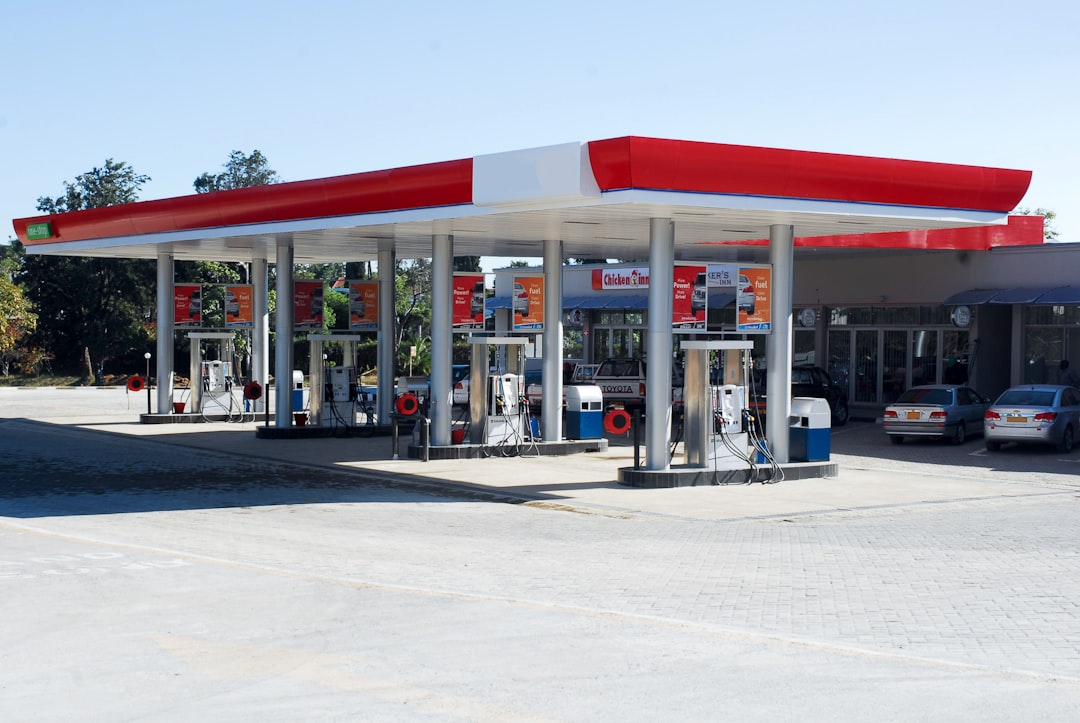
The Indian government has refuted reports of widespread fuel quality issues, asserting that rigorous monitoring mechanisms remain in place across the nation's fuel distribution network.
The government has moved to dismiss reports of fuel quality deterioration across the country, asserting that stringent regulatory checks continue to ensure compliance with established standards. Officials stated that comprehensive monitoring systems remain operational at refineries, distribution points, and retail outlets to maintain fuel quality standards across India's vast petroleum network.
The dismissal comes as concerns have surfaced in recent weeks regarding potential lapses in fuel quality control. The government's response underscores its commitment to maintaining oversight of the fuel supply chain, which serves millions of vehicles and industrial consumers nationwide.
Government's Quality Assurance Position
Authorities clarified that fuel quality monitoring occurs at multiple stages of the supply chain, from the point of refining through to retail distribution. The regulatory framework governing fuel standards in India is overseen by several agencies working in coordination to ensure that petrol and diesel meet prescribed specifications before reaching consumers.
Officials emphasised that the existing protocols include regular testing of fuel samples at designated laboratories. These tests verify compliance with parameters such as sulphur content, octane rating for petrol, and cetane number for diesel, among other critical specifications. The government indicated that such testing regimens have not been compromised and continue to function effectively.
The assertion by government representatives suggests confidence in the current system's ability to detect and prevent substandard fuel from entering the market. Spokespersons noted that any detected deviations from prescribed standards are addressed promptly through appropriate corrective measures at the source.
Context of Recent Concerns
Reports questioning fuel quality have periodically emerged from various quarters, including consumer advocacy groups and industry observers. Such concerns typically arise when vehicle owners report performance issues or when independent testing reveals anomalies, though the frequency and severity of such incidents remain matters of debate.
The fuel sector in India operates under a complex regulatory environment involving multiple stakeholders. The petroleum ministry, along with technical standards bodies and industry regulators, collectively oversee the quality assurance framework. This multi-layered approach is designed to maintain consistency across India's geographically diverse fuel distribution infrastructure, which extends from metropolitan areas to remote regions.
Historically, fuel quality has been a subject of intermittent scrutiny, with occasional reports suggesting variations in standards across different states and regions. However, such concerns have typically been addressed through targeted interventions and enhanced monitoring rather than systemic overhauls.
Regulatory Framework and Testing Mechanisms
India's fuel quality standards are aligned with international benchmarks and are periodically updated to reflect evolving technological and environmental requirements. The Bureau of Indian Standards (BIS) and petroleum regulatory bodies work together to establish and enforce these specifications, ensuring that fuel supplied to consumers meets prescribed criteria.
Testing procedures involve both routine checks and periodic audits of fuel storage facilities, transportation tankers, and retail petrol pumps. Samples are collected at random intervals and analysed in accredited laboratories to verify conformity with standards. This sampling methodology is designed to detect potential contamination or quality degradation before fuel reaches end consumers.
The government's position reflects confidence in these established mechanisms. Officials indicated that the infrastructure for fuel quality assurance has been strengthened over the years, with investment in modern testing equipment and trained personnel. The expansion of laboratory facilities across different regions has improved the coverage and responsiveness of the quality monitoring system.
Refineries, which are the primary source of fuel supply, operate under strict environmental and quality protocols. These facilities conduct in-house testing before fuel is released into the distribution pipeline. The responsibility for maintaining standards does not rest solely with refineries, however; depots, transporters, and retail outlets are equally accountable under the regulatory framework.
Industry and Consumer Implications
The government's reassurance is aimed at both consumers and the automotive industry, which depend on consistent fuel quality for optimal vehicle performance and engine longevity. Substandard fuel can lead to increased maintenance costs, reduced fuel efficiency, and potential engine damage, making quality assurance a matter of significant economic importance.
For the transport and logistics sector, which relies heavily on diesel, fuel quality directly impacts operational efficiency and profitability. Any genuine deterioration in fuel standards could have cascading effects across the economy. The government's emphasis on continued monitoring thus carries implications beyond the petroleum sector alone.
Consumer confidence in fuel quality is essential for the smooth functioning of the automobile market. Reports of quality issues, even if isolated, can create widespread concern among vehicle owners and potentially affect consumer behaviour and market sentiment. The government's proactive dismissal of broader quality concerns appears designed to maintain public confidence in the fuel supply system.
The automotive industry, including manufacturers and dealers, has a vested interest in fuel quality standards. Vehicles are engineered to operate optimally with fuel meeting specified standards, and any deviation can result in warranty claims and customer dissatisfaction. Industry stakeholders therefore typically support robust quality assurance mechanisms.
Moving Forward: Vigilance and Accountability
While the government has dismissed widespread quality concerns, the existence of a robust complaint and redressal mechanism remains important. Consumers and industry participants can report suspected fuel quality issues to designated authorities, which then investigate and take corrective action if warranted. This feedback mechanism serves as an additional safeguard within the overall quality assurance framework.
The government's statement suggests that regulatory vigilance will continue undiminished. Authorities indicated readiness to investigate any specific, substantiated complaints regarding fuel quality and to take appropriate action against any entities found to be in violation of prescribed standards.
Ongoing investment in testing infrastructure, training of quality control personnel, and periodic review of standards remain part of the government's long-term strategy to maintain fuel quality. These measures are expected to ensure that India's fuel supply continues to meet international standards and consumer expectations.
The dismissal of broad quality concerns, coupled with assurances of continued monitoring, reflects the government's attempt to balance transparency with confidence-building in a sector critical to the nation's economic functioning. How effectively these assurances address underlying concerns, and whether any specific quality issues emerge in the coming months, will likely shape the trajectory of this ongoing discussion within regulatory circles and among consumers.