The Bombay High Court has directed the takedown of abusive and fabricated social media posts targeting Union Minister Nitin Gadkari amid controversy over E20 ethanol fuel introduction.
The Bombay High Court has issued directions for the removal of fake and abusive social media posts targeting Union Minister for Road Transport and Highways Nitin Gadkari, in connection with the ongoing controversy surrounding the introduction of E20 ethanol-blended fuel in India.
The court's intervention comes as false and inflammatory content circulated on various digital platforms, with posts making unsubstantiated claims and using derogatory language directed at the senior government official. The judicial order underscores growing judicial concern over the spread of misinformation and abusive content on social media platforms, particularly when targeting public figures engaged in policy matters of national importance.
Court's Direction and Legal Basis
The Bombay High Court characterised the offending posts as "vile" and "abusive" in its order, emphasising the need for swift removal of such content from digital platforms. The court directed social media platforms and relevant authorities to take immediate action in taking down the fabricated posts, recognising the potential harm caused by unverified and inflammatory material circulating online.
This judicial intervention reflects the courts' expanding role in regulating online speech and protecting individuals from coordinated campaigns of misinformation. The order serves as a reminder of the legal consequences that can follow the creation and dissemination of false or abusive content targeting public figures, even in the digital age where such posts can spread rapidly across multiple platforms.
The court's decision aligns with existing provisions under Indian law that address defamation, hate speech, and the spreading of false information. While the right to free speech and expression remains constitutionally protected, courts have consistently held that such rights are not absolute and must be balanced against the protection of individual reputation and public order.
The E20 Ethanol Fuel Controversy
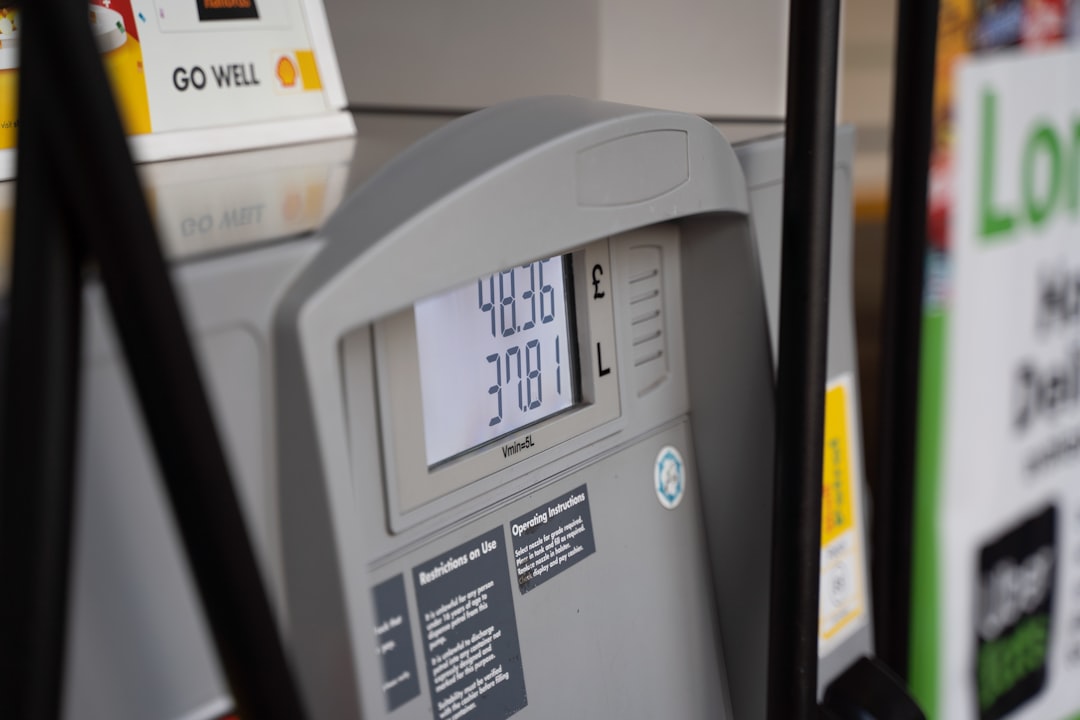
The controversy centres on E20 fuel, a blend containing 20 per cent ethanol and 80 per cent petrol. The Indian government, under the Ministry of Road Transport and Highways, has been promoting E20 as part of its broader energy diversification strategy and to reduce the country's dependence on crude oil imports. The fuel offers potential environmental benefits through reduced emissions and supports India's agricultural sector by creating demand for ethanol derived from sugarcane and other biomass sources.
The introduction of E20 fuel has generated debate across multiple stakeholder groups, including automotive manufacturers, fuel retailers, environmental advocates, and the general public. Some have raised concerns about vehicle compatibility, fuel economy, and the infrastructure required for widespread distribution, whilst others have questioned the transition timeline and its impact on consumers.
Minister Gadkari has been at the forefront of promoting E20 adoption as part of the government's renewable energy and sustainability agenda. The minister has consistently advocated for the fuel's benefits in reducing India's petroleum imports, supporting rural economies through sugarcane processing, and meeting environmental targets. However, the policy has attracted both support and criticism, creating space for misinformation campaigns to flourish online.
Rising Concerns Over Misinformation on Digital Platforms
The incident highlights the persistent challenge of false and abusive content spreading across social media platforms with minimal oversight. Digital platforms have become primary spaces for political and policy discourse in India, yet they remain vulnerable to coordinated misinformation campaigns that distort public understanding of government initiatives.
Fake posts, often accompanied by doctored images or misleading quotes, can reach millions of users within hours. The speed of viral spread on platforms such as Facebook, Twitter, and WhatsApp frequently outpaces fact-checking efforts, allowing false narratives to take root in public discourse before corrections can be effectively disseminated. This dynamic has created a fertile ground for those seeking to undermine policy initiatives through mass disinformation rather than substantive debate.
The targeting of public officials through abusive and fabricated content has become an increasingly common phenomenon in India's digital sphere. Such campaigns can serve multiple purposes: undermining public confidence in government policies, polarising opinion, or simply generating engagement through inflammatory rhetoric. The personal nature of attacks—focusing on individuals rather than engaging with policy substance—reflects a troubling trend in online discourse.
Social media platforms have come under increasing scrutiny from Indian courts and regulators for their role in amplifying misinformation. While these platforms argue that moderation at scale remains technically challenging, judicial orders such as the Bombay High Court's direction demonstrate growing impatience with the pace and effectiveness of platform responses to harmful content.
Broader Implications for Digital Governance and Free Speech
The court's order raises important questions about the balance between protecting free speech and preventing the spread of false or abusive content. India's legal framework, including the Indian Penal Code and the Information Technology Act, provides provisions to address defamation and misinformation, yet enforcement remains inconsistent and often slow.
The Bombay High Court's intervention signals that judicial bodies are willing to issue swift orders when egregious cases of misinformation and abuse come before them. However, the challenge of enforcement remains significant, particularly when posts originate from accounts that may be fake, operate from outside India, or employ sophisticated methods to evade detection and removal.
The incident also underscores the responsibility of social media platforms to develop more robust mechanisms for identifying and removing false and abusive content. While platforms have invested in automated detection systems and fact-checking partnerships, critics argue that these measures remain inadequate, particularly in addressing regional languages and culturally contextualised misinformation.
For public officials and policymakers, the experience highlights the vulnerability of high-profile government initiatives to coordinated disinformation campaigns. Effective policy communication must now account for the digital environment in which narratives are contested, requiring proactive engagement with fact-checking organisations, media outlets, and transparent communication strategies to counter false claims.
The Bombay High Court's order, while providing immediate relief to the targeted official, represents a narrow intervention in a much larger ecosystem of online misinformation. The long-term solution will require sustained collaboration between technology platforms, government agencies, civil society, and media organisations to build more resilient information systems and foster digital literacy among the public.