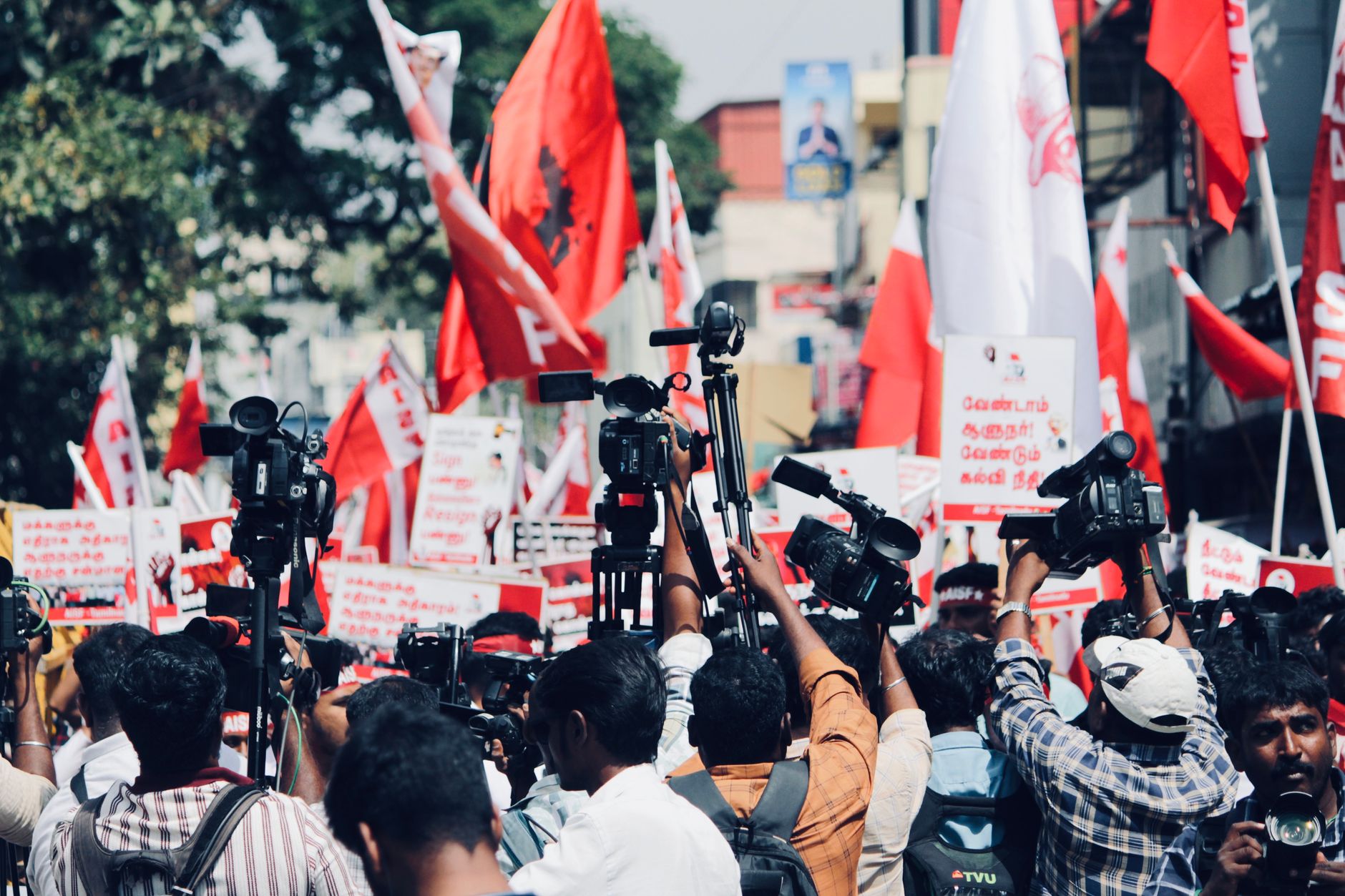
Tamil Nadu Deputy Chief Minister Udhayanidhi Stalin reaffirms his family's political legacy following his release from custody.
Tamil Nadu Deputy Chief Minister Udhayanidhi Stalin reasserted his political lineage and family heritage shortly after his release, underscoring his position within one of southern India's most influential political dynasties. The statement came as he shared a photograph, a symbolic gesture reaffirming his connection to the Dravidian movement and the DMK party's storied past.
Stalin's remarks—"I'm Kalaignar's grandson, M K Stalin's son"—referenced his great-grandfather C N Annadurai (popularly known as Kalaignar) and his father M K Stalin, the current Chief Minister of Tamil Nadu. The assertion carried particular significance given the context of his recent custody and release, marking a pointed reaffirmation of his political standing and family credentials within the state's political establishment.
Context of the Custody and Release
The circumstances surrounding Udhayanidhi's release pointed to what appeared to be a high-profile custody matter, though the specific charges or reasons for his detention were not elaborated in the immediate aftermath. His swift public statement and photograph sharing suggested a deliberate strategy to address the situation head-on and maintain his public image during a potentially sensitive period.
The Deputy Chief Minister's approach of immediately engaging with the media and public through a direct statement reflected contemporary political communication tactics, particularly in Tamil Nadu's intensely competitive political environment. By invoking his family lineage, he sought to position himself within the broader historical narrative of the Dravidian movement and DMK's ideological foundation.
The Significance of Political Lineage in Tamil Nadu
Tamil Nadu's political landscape has long been defined by family-based political legacies and the dominance of dynastic politics. The DMK party, founded by Annadurai in the 1950s, has maintained its relevance through successive generations of leadership, with the party's ideological moorings in Dravidian political thought and Tamil linguistic nationalism remaining central to its identity.
Udhayanidhi Stalin's reference to his great-grandfather Kalaignar carried particular weight in Tamil political discourse. C N Annadurai, who led the DMK from its inception, represented the intellectual and ideological core of the Dravidian movement, advocating for social justice, Tamil language promotion, and resistance to brahminical hierarchies. His legacy continued to shape the party's political positioning and its appeal to Tamil constituencies across generations.
M K Stalin, Udhayanidhi's father and current Chief Minister, assumed leadership of the DMK in 2018 and led the party to a decisive electoral victory in 2021, returning the DMK to power after a decade of opposition. Stalin's ascension to the Chief Minister's position marked a significant moment in Tamil Nadu politics, representing continuity in the DMK's dynastic structure while also symbolising the party's adaptation to contemporary political challenges.
Within this family structure, Udhayanidhi's role as Deputy Chief Minister positioned him as a potential future leader of both the state government and the party. His public assertion of lineage thus carried implications beyond immediate political communication—it was a statement of his place within the party hierarchy and his legitimacy as a political actor in his own right.
Response Strategy and Political Communication
Udhayanidhi's decision to respond publicly through a photograph and direct statement reflected a calculated political communication strategy. In an era of social media and instantaneous news cycles, political figures increasingly use such immediate responses to shape narratives around themselves, particularly in situations involving law enforcement or custody matters.
The sharing of a photograph served multiple purposes: it demonstrated his physical presence and freedom following release, it provided visual evidence for public consumption, and it allowed him to control the narrative through a medium that transcends traditional journalistic filters. This approach has become increasingly common among Indian political figures seeking to manage their public image during challenging situations.
By framing his response in terms of family identity and political heritage rather than engaging directly with the substance of the custody matter, Udhayanidhi employed a defensive strategy that shifted focus toward his established position within Tamil Nadu's political establishment. This tactic implicitly suggested that any challenge to him was, by extension, a challenge to the broader DMK legacy and the Dravidian political tradition.
Broader Implications for Tamil Nadu Politics
The incident highlighted ongoing tensions and power dynamics within Tamil Nadu's political ecosystem. The state has experienced significant political volatility in recent years, with shifts between DMK and AIADMK rule, and periodic challenges to political stability from various factions and opposition movements.
Udhayanidhi's position as Deputy Chief Minister and his youth relative to other senior party figures suggested he was being groomed for higher responsibilities within the DMK structure. However, his tenure had not been without controversy, and various political actors had questioned his suitability for high office. His swift public response to the custody matter appeared designed to demonstrate resilience and political acumen in navigating such challenges.
The incident also reflected the broader Indian phenomenon of political dynasties and family-based succession in major parties. While such structures have been critiqued by anti-corruption advocates and democratic reformers, they remain deeply embedded in Indian politics, particularly in regional parties with strong ideological foundations tied to specific leaders or families.
For the DMK specifically, the management of succession within the Stalin family remained a critical concern for party unity and electoral prospects. Udhayanidhi's public assertion of his lineage served to reinforce his position within this succession narrative, signalling to party cadres and voters his continuing relevance despite any temporary setback.
The Dravidian Movement Legacy
The invocation of Kalaignar carried particular symbolic weight given C N Annadurai's towering legacy within Tamil political culture. Annadurai's intellectual contributions to Dravidian thought, his championing of Tamil language and culture, and his vision of social justice through political organisation had left an indelible mark on Tamil Nadu's political discourse.
The DMK's continued emphasis on this legacy, and its deployment by contemporary party leaders, reflected the party's attempt to maintain ideological continuity while adapting to modern political realities. For Udhayanidhi, invoking his great-grandfather's memory was a way of grounding his political legitimacy in historical achievement and ideological commitment rather than merely familial succession.
This emphasis on ideological heritage distinguished the DMK's approach to dynastic politics from some other Indian parties, where succession might be presented purely in terms of family continuity. By connecting himself to Annadurai's vision and the Dravidian movement's broader goals, Udhayanidhi attempted to elevate his political standing beyond mere generational inheritance.
Udhayanidhi Stalin's public response following his release demonstrated the complex interplay between family politics, ideological positioning, and contemporary political communication in Tamil Nadu. His assertion of lineage, while straightforward on its surface, carried layers of meaning within the context of the DMK's history, the Dravidian movement's legacy, and the state's ongoing political competition. As Tamil Nadu continues to navigate its political future, the roles and positioning of the next generation of political leaders, particularly within established dynastic structures, will remain a significant factor in shaping the state's governance and electoral outcomes.