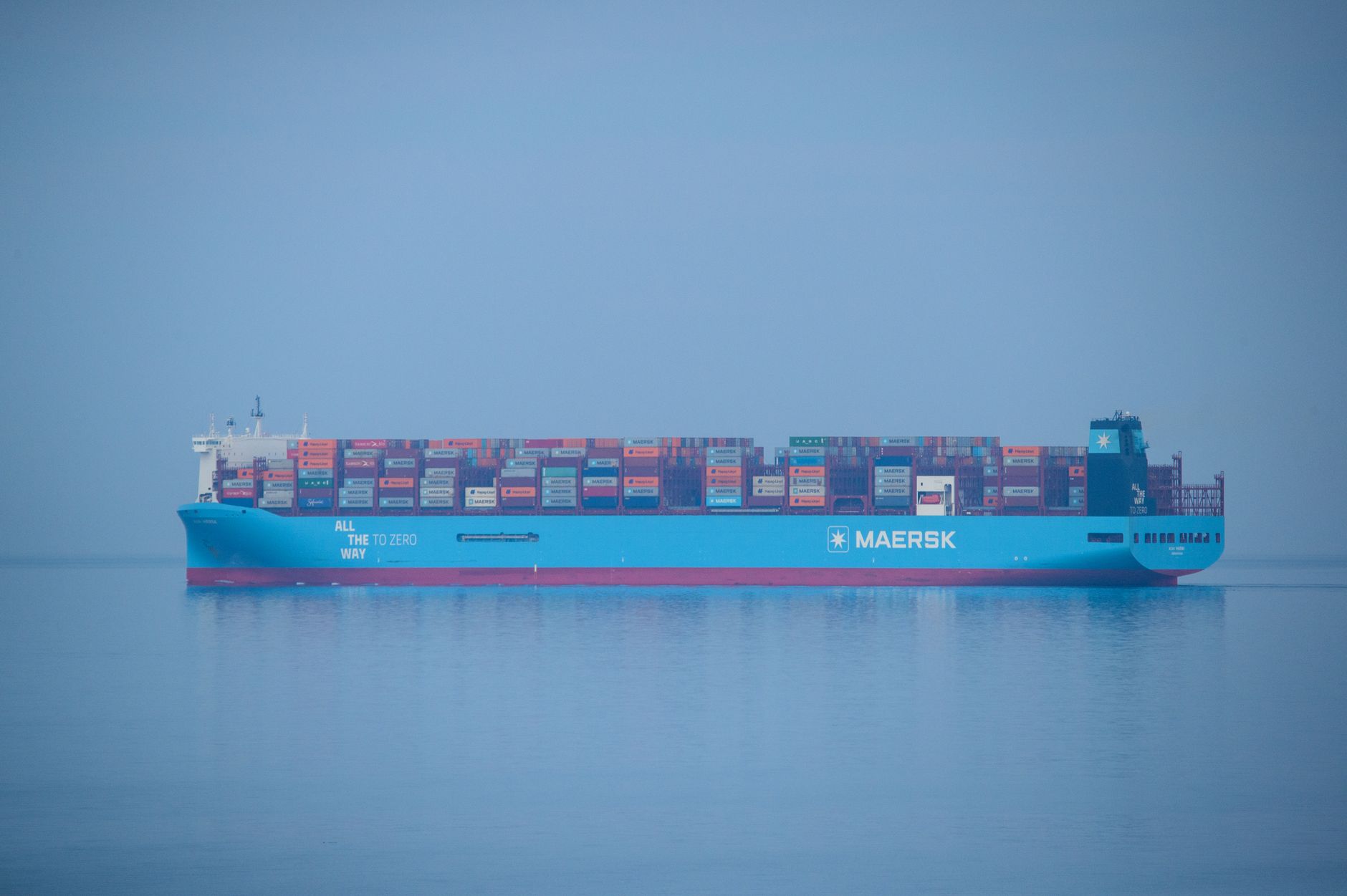
All crew members safely evacuated from vessel after projectile strike; incident highlights maritime security concerns in shipping corridors.
An India-flagged merchant vessel sank after being struck by a projectile, but all crew members aboard were successfully rescued in a swift maritime operation. The incident underscores growing concerns about shipping safety in key international waters and the escalating risks faced by commercial maritime traffic in contested regions.
The ship came under attack while traversing busy shipping lanes, with the projectile impact causing critical damage to the hull. Emergency protocols were activated immediately, and the crew was evacuated to safety before the vessel went down. Maritime authorities responded promptly to distress calls, ensuring no loss of life despite the severity of the incident.
Details of the Incident and Rescue Operation
The India-flagged vessel was engaged in commercial operations when it sustained a direct hit from a projectile. The impact caused catastrophic structural damage, making it impossible to prevent the ship from sinking. Given the critical nature of the situation, the crew was ordered to abandon ship and move to lifeboats in a coordinated evacuation that prioritised safety.
Maritime rescue teams reached the vessel within hours of the distress signal. All personnel aboard were accounted for and brought to safety without incident, a testament to the effectiveness of the emergency response and the crew's adherence to safety protocols. The successful rescue operation prevented what could have been a maritime tragedy with significant loss of life.
The sinking of the vessel represents a total loss for the shipping company involved, with implications for cargo, insurance claims, and operational continuity. Investigations into the exact circumstances of the attack are ongoing, with maritime authorities examining evidence and witness accounts to determine the source and nature of the projectile.
Rising Threats to Commercial Shipping
This incident is not isolated. Over recent years, commercial shipping has faced an increasing number of threats in key maritime corridors, particularly in regions experiencing geopolitical tension or conflict. Vessels carrying goods between major trading partners have become targets, either through deliberate attacks or as collateral damage in broader regional conflicts.
The international maritime community has grown increasingly concerned about the safety of merchant ships and their crews. Shipping companies now routinely assess risk levels before routing vessels through certain waters, sometimes choosing longer, costlier routes to avoid dangerous areas. Insurance premiums for vessels operating in high-risk zones have risen substantially, adding operational costs to global trade.
India, as a major maritime trading nation with significant shipping interests, has particular stakes in maintaining safe passage for its flagged vessels. Indian-registered ships carry cargo to and from ports worldwide, making them integral to the country's trade networks and economic interests. The loss of a vessel and the endangerment of its crew affects not only the shipping company but also India's broader maritime sector and its reputation as a shipping nation.
Maritime Security and International Response
Incidents such as this prompt renewed calls for enhanced maritime security measures and international cooperation to protect commercial shipping. Naval forces from various countries have increased patrols in vulnerable shipping lanes, and maritime authorities have issued advisories to vessels about heightened risks in specific regions.
The International Maritime Organization and other global bodies have emphasised the need for coordinated responses to threats against commercial vessels. Ships are now equipped with advanced communication systems, satellite tracking, and in some cases, armed security personnel, to mitigate risks. However, the fundamental vulnerability of merchant ships—their commercial focus rather than military capability—remains a challenge.
Insurance and shipping industry bodies have called for diplomatic solutions to regional conflicts that endanger maritime commerce. They argue that the cost of security measures, longer routes, and insurance increases ultimately affects global trade flows and consumer prices. The economic impact of disrupted shipping extends beyond individual companies to affect supply chains worldwide.
Implications for India's Maritime Sector
India maintains one of the world's largest merchant fleets, with hundreds of vessels operating under the Indian flag. The sector provides employment to thousands of seafarers and supports significant economic activity. An incident involving an India-flagged ship underscores the vulnerability of the entire maritime workforce and the assets they operate.
The Indian government, through the Shipping Ministry and the Directorate General of Shipping, monitors maritime incidents closely and works to ensure the safety of Indian vessels and crews. Following such incidents, authorities typically issue guidance to shipping companies about enhanced precautions, route planning, and compliance with international maritime safety standards.
Crew welfare is a critical concern in India's maritime sector. Seafarers, who often spend months away from home, face occupational hazards that include piracy, accidents, and increasingly, military conflicts in shipping zones. The successful rescue of the crew in this incident reflects the importance of investment in training, equipment, and emergency response capabilities.
The incident also raises questions about the adequacy of current security measures and whether shipping companies, governments, and international bodies are doing enough to protect vessels in high-risk areas. Discussions about armed escorts, alternative routes, and diplomatic interventions continue within maritime industry forums and among policymakers.
Looking Forward: Lessons and Future Considerations
As investigations into this incident continue, maritime authorities will likely extract lessons to share with the broader shipping community. The successful evacuation and rescue demonstrate the importance of regular drills, proper equipment maintenance, and clear communication protocols aboard vessels.
The incident serves as a stark reminder that commercial shipping, while essential to global trade, operates in an increasingly complex and sometimes dangerous environment. The challenge for governments, shipping companies, and international organisations lies in balancing the need for free passage of commerce with the reality of regional conflicts and security threats.
For India's maritime sector, the focus will remain on ensuring the safety of vessels and crews while maintaining the competitiveness and growth of the industry. The rescue operation's success, while welcome, cannot obscure the underlying risks that persist in key shipping corridors. Enhanced vigilance, international cooperation, and continued investment in maritime safety infrastructure remain essential priorities for protecting India's maritime interests and the seafarers who operate its vessels.