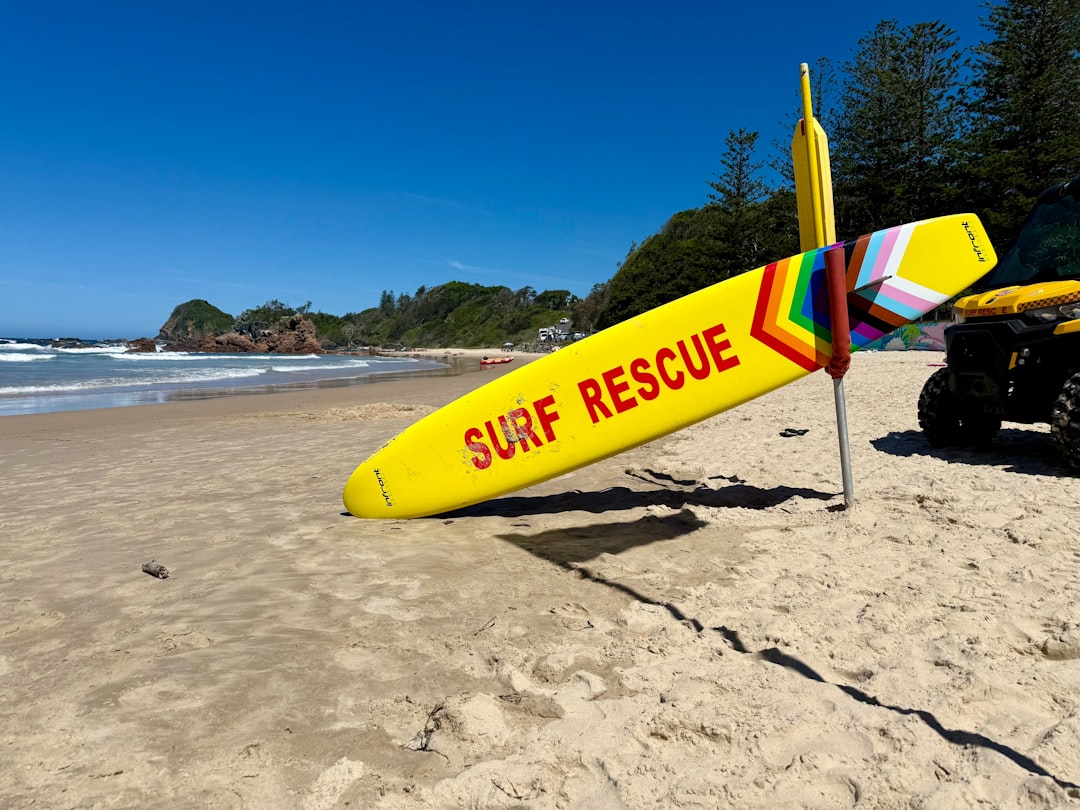
Nathaniel Rai describes the frightening moments when he thought he would not survive after being pulled from dangerous surf by lifeguard Ryder Williams.
Nathaniel Rai, a young boy from Dallas, has recounted the harrowing moments he experienced during a dramatic rescue from treacherous ocean waters, an incident that has since garnered widespread attention on social media. Pulled to safety by lifeguard Ryder Williams, Rai described the terrifying experience in stark terms, stating that he believed he would not survive the ordeal. The rescue, which unfolded on a beach where conditions had deteriorated significantly, has drawn considerable public interest and raised fresh questions about water safety and the critical role lifeguards play in preventing tragedy.
The Rescue Unfolds
The incident occurred when Nathaniel Rai ventured into the ocean despite challenging surf conditions. As he struggled against the powerful waves and currents, the situation quickly escalated beyond his ability to manage alone. Ryder Williams, the lifeguard on duty, spotted Rai in distress and moved swiftly to intervene, entering the water to reach the young boy. The rescue required considerable effort, as the dangerous conditions that had overwhelmed Rai also posed significant obstacles to the rescue operation itself.
Williams' quick response and professional training proved decisive in preventing a potential tragedy. The lifeguard managed to reach Rai and bring him back to shore, where the frightened boy was assessed for injuries and trauma. The entire sequence of events unfolded rapidly, with the intervention occurring within a critical window where the outcome could have been vastly different.
A Child's Perspective on Survival
In recounting his experience, Nathaniel Rai did not mince words about the severity of his situation. He stated plainly that he thought he was going to die, a candid admission that underscores just how dire his circumstances had become in those moments. For a young person, such an experience represents a profound and potentially lasting encounter with genuine danger. The psychological impact of believing one's life is ending is not something that easily fades, and Rai's willingness to articulate this fear reflects the genuine terror he experienced.
The boy's account serves as a powerful reminder that ocean conditions can turn dangerous with remarkable speed, particularly for younger swimmers or those unfamiliar with reading water hazards. What may appear manageable from the shore can transform into a life-threatening situation within minutes, especially when currents, undertow, or rough surf combine to overwhelm a swimmer's ability to stay afloat or return to safety.
The Role of Lifeguard Training and Vigilance
Ryder Williams' successful intervention highlights the essential value of professional lifeguards stationed at beaches and swimming areas. Lifeguards undergo rigorous training to recognise distress, make rapid decisions about intervention, and execute rescues in challenging conditions. Their presence is not merely decorative; it represents the difference between a close call and a tragedy. Williams demonstrated the core competencies that define effective lifeguard work: situational awareness, quick decision-making, and the physical capability to execute a rescue in difficult circumstances.
The incident also underscores why lifeguard positions, often underfunded and understaffed in many jurisdictions, deserve greater institutional support and investment. A single lifeguard's attention and capability prevented a family from experiencing unimaginable loss. Across the United States and globally, adequate staffing of lifeguard positions remains a persistent challenge, with many beaches operating with minimal coverage or insufficient numbers to monitor large stretches of shoreline effectively.
Viral Attention and Public Response
The rescue gained significant traction on social media platforms, with the story spreading widely across digital networks. This viral attention, while sometimes superficial, has brought visibility to both the incident itself and broader water safety issues. The public's engagement with Rai's story reflects a natural human response to dramatic rescue narratives, particularly those involving young people in genuine peril. Such stories often prompt conversations about beach safety, parental supervision, and the importance of swimming proficiency.
The viral nature of the incident has also brought recognition to Ryder Williams, the lifeguard whose training and quick thinking proved decisive. Public acknowledgement of lifeguards' contributions can help elevate the profile of these essential workers, though advocates for water safety note that consistent, well-resourced lifeguard programmes matter far more than occasional viral recognition of individual heroics.
Social media's amplification of this rescue serves another function as well: it reinforces awareness among beach visitors about the genuine dangers present in ocean environments. Each widely shared account of a close call or rescue potentially prompts other families to reconsider their own behaviour, supervision practices, and swimming competence before entering the water.
Water Safety Considerations for Families
Nathaniel Rai's experience, while resolved positively, embodies risks that are present at beaches and ocean swimming areas throughout the world. Dangerous surf conditions, rip currents, and sudden depth changes create hazards that affect even experienced swimmers. For young swimmers and those less confident in water, these dangers are magnified substantially. Families planning beach visits are advised to check weather conditions, understand current water safety warnings, and ensure that young children remain under close supervision at all times.
Swimming ability itself, while important, is not sufficient protection against all ocean hazards. A swimmer might be comfortable in a pool but unprepared for the dynamics of ocean swimming, where currents and waves introduce variables absent from controlled aquatic environments. Experts recommend that anyone entering ocean water be aware of warning signs, understand basic water safety principles, and respect posted advisories about dangerous conditions.
The presence of lifeguards, where available, provides an additional layer of protection but should not be regarded as a substitute for parental vigilance and personal caution. Lifeguards monitor large areas and cannot watch every individual at all times. The primary responsibility for safety rests with swimmers themselves and, for young children, with supervising adults.
Looking Forward
Nathaniel Rai's recovery from his ordeal will likely extend beyond any physical effects to encompass the psychological processing of a genuinely frightening experience. Young people who undergo such incidents sometimes experience lasting anxiety around water, whilst others emerge with a more mature understanding of risk and gratitude for the intervention that saved them. How Rai's family chooses to engage with water activities in the future may reflect their processing of this event.
The broader implications of this rescue extend to policy discussions about beach safety, lifeguard funding, and public education around water hazards. Each incident that achieves public visibility provides an opportunity for communities to evaluate their own preparedness and resources. Whether this particular rescue prompts meaningful changes in how a given beach manages safety, or whether it serves primarily as a memorable story that circulates briefly before fading from public consciousness, remains to be seen.
What remains certain is that Nathaniel Rai's account of his terrifying moments in the ocean, and Ryder Williams' intervention, illustrates a fundamental truth: water demands respect, trained responders save lives, and the difference between tragedy and a miraculous rescue often comes down to seconds and the presence of someone prepared to act decisively when danger strikes.