Yemen's government condemns a Houthi attack on an Indian-flagged ship, raising questions about the militant organisation and its maritime campaign.
An Indian-flagged merchant vessel came under attack in the Red Sea, prompting Yemen's ministry of foreign affairs to condemn what it described as a "Houthi terrorist attack" on the commercial shipping route. The incident has renewed scrutiny of the Houthi movement—a powerful armed group that has transformed Yemen's geopolitical landscape over the past two decades and now poses a significant threat to international maritime traffic in one of the world's busiest waterways.
The attack underscores the deepening complexity of Yemen's internal conflict and the international dimensions of a regional power struggle that has drawn in neighbouring states, global shipping interests, and major military powers. Understanding who the Houthis are, how they came to wield such influence, and why they target merchant vessels is essential to comprehending current instability in the Arabian Peninsula and its ripple effects on global commerce.
Origins and rise of the Houthi movement
The Houthis emerged in the 1990s as a religious and political movement in northern Yemen, initially focused on reviving Zaidi Shia Islam in a country dominated by Sunni majority governance. Founded by Hussein Badreddin al-Houthi, the group began as a grassroots organisation advocating for the rights of Yemen's Zaidi community, which comprises roughly 30 to 40 per cent of the country's population, primarily concentrated in the mountainous northern regions.
What started as a theological and social movement gradually evolved into an armed insurgency during the early 2000s, following the United States-led invasion of Iraq and amid growing regional tensions between Iran and Saudi Arabia. The group's early military confrontations with the Yemeni government were relatively contained, but the movement's organisational capacity, ideological coherence, and strategic vision allowed it to expand its influence steadily across northern Yemen.
By the time of Yemen's Arab Spring uprising in 2011, the Houthis had established themselves as a significant political and military force. While other opposition groups fragmented or were co-opted, the Houthis maintained organisational discipline and a clear ideological framework. This allowed them to capitalise on the chaos of Yemen's political transition, during which the government weakened and state institutions deteriorated.
Consolidation of power and regional backing
The Houthis' decisive military advance accelerated in 2014 and 2015, when they captured Sanaa, Yemen's capital, forcing the internationally recognised government to flee southward. This takeover represented a watershed moment in Yemeni politics, transforming the Houthis from a regional insurgent group into a de facto governing authority controlling Yemen's most populous regions and its political centre.
Throughout their rise, the Houthis have received substantial military and financial support from Iran, which views the movement as a strategic counterweight to Saudi Arabian influence in the region. This backing has enabled the group to acquire increasingly sophisticated weaponry, including unmanned aerial vehicles (drones), cruise missiles, and other advanced systems that far exceed what a purely domestic insurgent movement could develop independently. The Iranian connection has made the Houthis a proxy actor in the broader Iran-Saudi Arabia rivalry that has defined Middle Eastern geopolitics for decades.
The group's governance structure reflects both its religious ideology and its military organisation. The Houthis operate a quasi-governmental apparatus in territories under their control, providing public services, administering justice through Islamic law, and maintaining security forces. This dual nature—part militant organisation, part governing entity—distinguishes them from purely insurgent groups and complicates international efforts to address the humanitarian crisis in Yemen.
Maritime attacks and the Red Sea campaign
Since 2021, the Houthis have escalated attacks on commercial shipping in the Red Sea and the Gulf of Aden, two critical maritime corridors through which roughly 12 per cent of global trade passes annually. These attacks have targeted vessels of various nationalities, including those flagged to countries with no direct involvement in Yemen's conflict. The group has employed anti-ship missiles, drones, and naval mines to disrupt shipping and draw international attention to its grievances.
The Houthis justify their maritime campaign as a response to the Saudi Arabian-led military intervention in Yemen, which began in March 2015. The coalition's air strikes, naval blockade, and support for anti-Houthi forces have devastated Yemen's economy and civilian population, creating what the United Nations has described as the world's worst humanitarian crisis. From the Houthis' perspective, targeting commercial shipping serves as leverage to pressure the international community and the coalition to end military operations and lift restrictions on Yemen's ports.
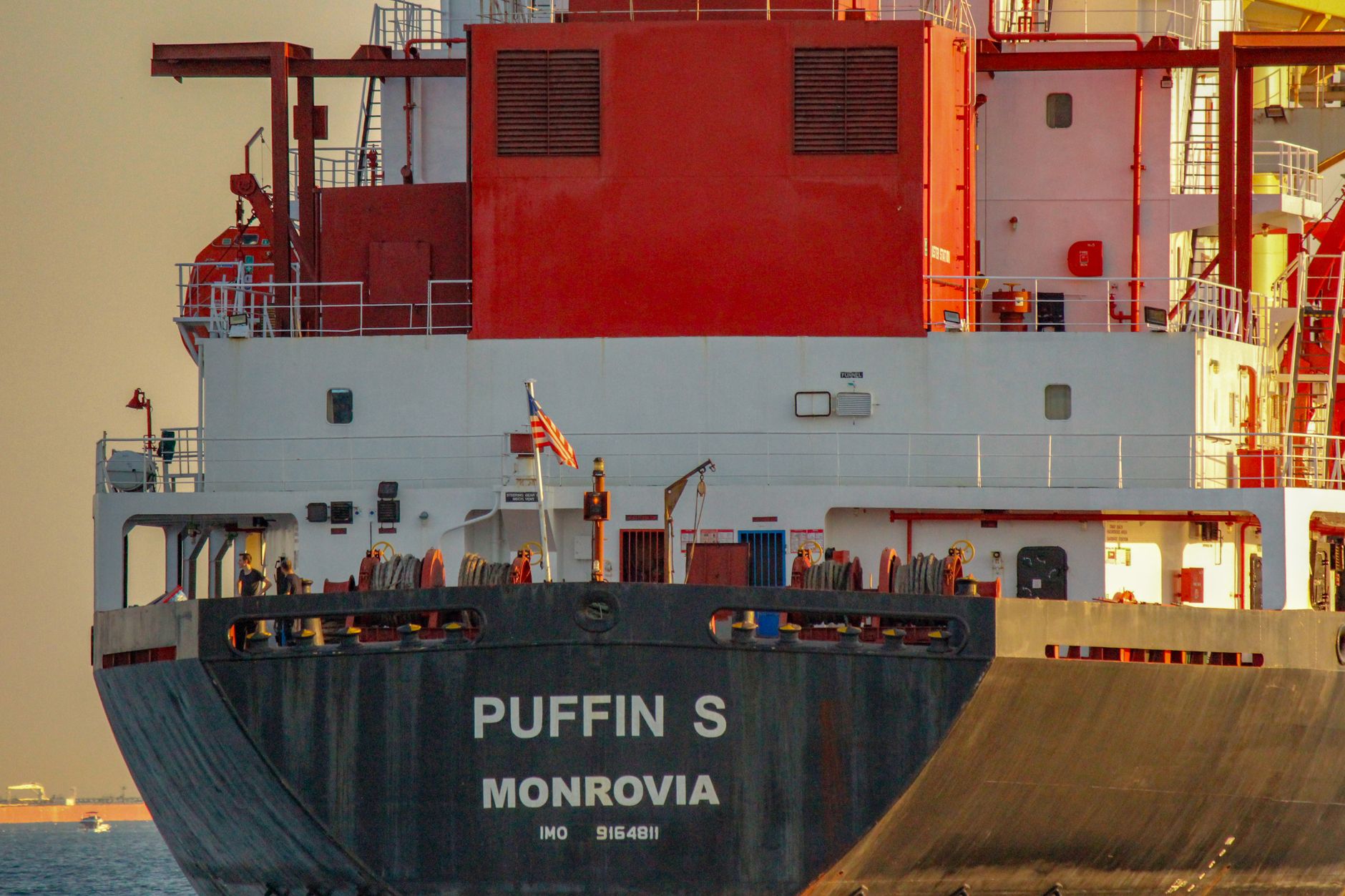
The attack on the Indian-flagged vessel represents part of this broader maritime strategy. Indian merchant shipping has occasionally been caught in the crossfire of Houthi operations, despite India maintaining a position of relative neutrality in Yemen's internal conflict. The incident highlights how regional conflicts increasingly affect commercial interests far beyond their immediate geographical boundaries.
International naval forces, including those from the United States and European nations, have attempted to counter Houthi attacks through convoy escorts, air defence systems, and targeted operations against the group's military infrastructure. However, the Houthis' decentralised command structure, access to Iranian military technology, and willingness to accept significant casualties have made them a resilient adversary that cannot be easily eliminated through military means alone.
International designation and political dimensions
Several countries and organisations, including Saudi Arabia and the United Arab Emirates, have designated the Houthis as a terrorist organisation, citing their attacks on civilian infrastructure and commercial targets. However, this designation remains contested internationally. The United States, the European Union, and the United Nations do not formally classify the group as a terrorist entity, instead recognising them as a complex political-military actor involved in Yemen's civil conflict.
This ambiguous status reflects deeper disagreements about how to categorise the Houthis. Supporters of the terrorist designation argue that the group's attacks on civilian shipping and infrastructure justify such classification. Critics counter that the Houthis are primarily a nationalist and resistance movement responding to foreign military intervention, and that labelling them as terrorists obscures the political nature of the conflict and forecloses possibilities for negotiated settlement.
Yemen's government, internationally recognised and backed by the Saudi-led coalition, has consistently condemned Houthi actions as terrorism and called for international pressure to curtail their activities. The foreign ministry's statement condemning the attack on the Indian vessel reflects this official position. However, the Yemeni government's own limited control over much of the country and its dependence on external military support complicate its authority to shape international responses to the Houthi threat.
Humanitarian toll and broader implications
Yemen's eight-year conflict, in which the Houthis have played a central role, has created one of the world's most severe humanitarian emergencies. Millions of Yemenis face food insecurity, lack access to basic healthcare, and live in areas with minimal functioning state institutions. The blockade of Yemeni ports, partly justified by coalition forces as a measure to prevent weapons smuggling to the Houthis, has exacerbated economic collapse and civilian suffering.
The Houthis' maritime campaign, while strategically rational from their perspective, has further complicated efforts to deliver humanitarian assistance and has raised insurance costs and shipping delays that ultimately affect global consumers and developing nations dependent on maritime trade. The group's attacks thus represent a convergence of local, regional, and global interests, where a domestic Yemeni conflict has acquired transnational significance.
As the conflict persists without clear resolution, the Houthis have solidified their position as a major regional power capable of projecting force beyond Yemen's borders. Whether through negotiated settlement or continued military confrontation, the trajectory of the Houthi movement will significantly shape Yemen's future and the stability of one of the world's most strategically important maritime zones. The attack on the Indian-flagged ship serves as a reminder that this distant conflict carries consequences for shipping industries, global trade, and nations thousands of kilometres away.