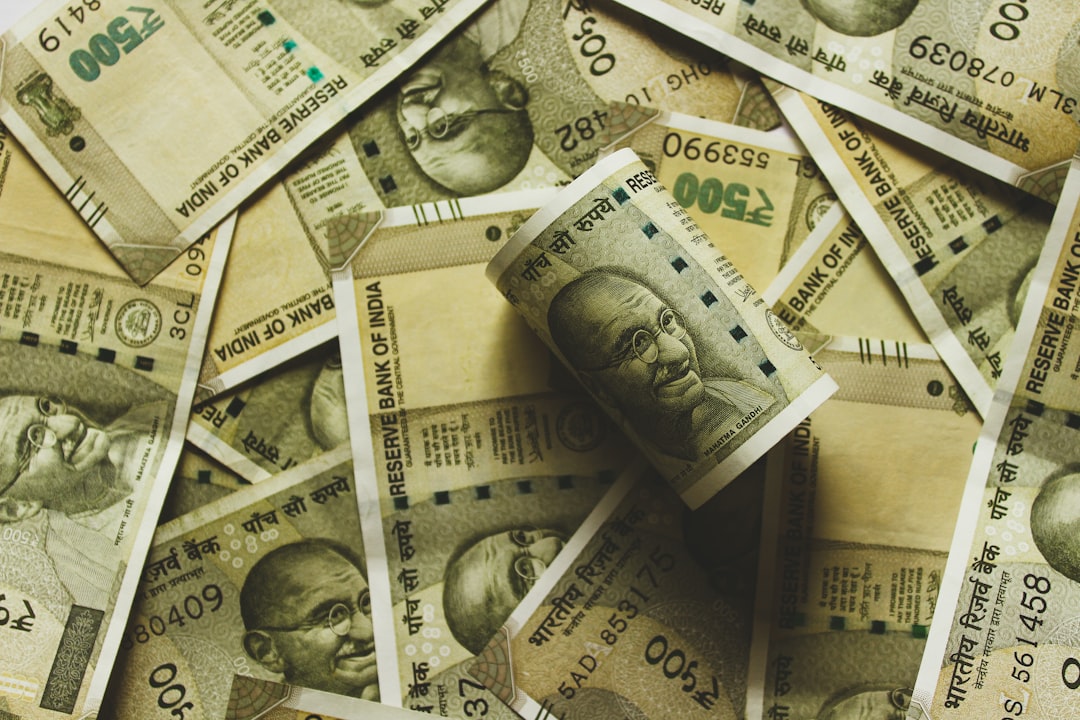
The Reserve Bank of India has been authorised to print 2 billion polymer notes in Rs 10 and Rs 20 denominations for field trials, marking the country's first venture into plastic currency.
India is set to introduce its first polymer banknotes next year, the Reserve Bank of India governor announced, unveiling a significant milestone in the country's currency modernisation efforts. The government has authorised the central bank to print up to 2 billion polymer notes — comprising 1 billion notes each in the Rs 10 and Rs 20 denominations — for field trials across select regions. The initiative represents a departure from India's traditional paper-based currency system, though officials clarified that paper notes will continue to remain in circulation alongside the new plastic alternatives.
The decision to introduce polymer currency follows years of research and planning by the RBI, positioning India among an expanding list of nations adopting plastic banknotes. Several countries, including Australia, Canada, the United Kingdom, and Singapore, have already transitioned to or substantially incorporated polymer notes into their currency systems. The RBI governor outlined the timeline and benefits of this transition during recent communications with stakeholders, emphasising the durability and security advantages that polymer notes would bring to India's currency ecosystem.
Why Polymer Notes Over Traditional Paper
Polymer banknotes offer distinct advantages over conventional paper currency. They are significantly more durable and resistant to wear and tear, extending the lifespan of individual notes by several years compared to paper alternatives. This longevity translates into substantial cost savings for the government over time, as notes require replacement less frequently. Additionally, polymer notes are highly resistant to moisture, dirt, and general degradation, making them more suitable for use in varied climatic conditions — a particularly relevant factor for a country with India's diverse geographical and weather patterns.
Security features embedded in polymer notes are also more difficult to counterfeit than those in paper currency. The material itself can incorporate advanced security elements such as colour-shifting features, transparent windows, and embossed designs that are challenging to replicate using conventional counterfeiting techniques. The RBI has emphasised that the enhanced security characteristics would strengthen the integrity of India's currency system and reduce the circulation of counterfeit notes, a longstanding challenge in the Indian banking ecosystem.
From an environmental perspective, polymer notes present a mixed picture. While they do not involve pulp-based paper production, reducing pressure on forest resources, the polymer material itself requires careful end-of-life management to prevent environmental contamination. The RBI and government authorities have indicated awareness of these considerations and are likely to establish recycling protocols as part of the broader implementation strategy.
Field Trial Structure and Implementation Timeline
The authorisation of 2 billion polymer notes marks the transition from laboratory development to real-world testing. The field trials will involve controlled distribution of the plastic notes in select geographical regions, allowing the RBI to assess public acceptance, operational feasibility, and performance under actual circulation conditions. Such trials typically span several months to a year or more, providing comprehensive data on how the notes perform across different use cases and demographics.
During the trial phase, the RBI will monitor factors including note durability in everyday transactions, performance through automated teller machines and coin counting machines, public perception and acceptance, and any technical issues that may emerge in real-world handling. Feedback from banks, merchants, and the general public will be systematically collected and analysed to inform decisions about broader rollout. The Rs 10 and Rs 20 denominations were selected for initial trials likely because they represent frequently used notes with high circulation volumes, providing substantial data for evaluation.
The governor's confirmation of a next-year timeline indicates that preparatory work — including manufacturing facility setup, printing protocols, and distribution logistics — is already underway. The RBI has considerable experience managing large-scale currency printing and distribution operations, which positions the central bank well to execute this complex transition. However, scaling up production from trial quantities to eventual full-scale manufacturing will require investment in specialised polymer note printing infrastructure and training of personnel.
Global Context and Comparative Experience
India's move towards polymer currency aligns with a global trend that has gathered momentum over the past two decades. Australia was among the pioneers, introducing polymer notes in the 1990s and completing the transition by 1996. The success of the Australian model demonstrated that polymer notes could function effectively in modern banking systems without requiring fundamental changes to existing infrastructure. Canada followed with its own polymer currency transition in 2011-2013, while the United Kingdom introduced polymer notes starting in 2016, beginning with the £5 note and subsequently introducing £10 and £20 notes.
These international precedents provide valuable lessons for the RBI. Australia's experience, in particular, highlighted that public acceptance of polymer notes develops relatively quickly once people become familiar with the tactile and visual characteristics of the new currency. Initial concerns about handling and machine compatibility were largely resolved through brief adjustment periods. The UK's phased introduction strategy, rolling out different denominations over several years, offers a model that the RBI may consider for managing India's transition across its multiple denominations.
However, India's context differs significantly from these developed economies. The country's vast population, diverse literacy levels, extensive informal economy, and the reliance of many citizens on physical cash rather than digital payments present unique implementation challenges. The field trials will be crucial in understanding how polymer notes integrate with India's specific banking and commercial infrastructure, particularly in smaller towns and rural areas where cash transactions remain predominant.
Future Roadmap and Gradual Transition Strategy
The RBI governor's clarification that there is no proposal to replace paper currency entirely reflects a pragmatic approach to this transition. India is unlikely to abandon paper notes in the foreseeable future. Instead, a long-term strategy of gradual integration is more probable, with polymer notes eventually accounting for a portion of currency in circulation while paper notes continue to serve the broader economy. This coexistence model is already evident in countries like Australia and the UK, where both types of notes circulate simultaneously during transition phases.
The decision to introduce polymer notes in lower denominations first — Rs 10 and Rs 20 — suggests a measured approach. These denominations have shorter average circulation lifespans due to their frequent use, making them ideal candidates for testing new materials. As confidence in polymer notes builds and public familiarity increases, the RBI may gradually introduce plastic versions of higher denominations such as Rs 50, Rs 100, Rs 500, and Rs 2,000. Such a phased rollout would minimise disruption and allow the central bank to refine production and distribution processes iteratively.
The timeline outlined by the RBI governor suggests that manufacturing and testing infrastructure will be established within the coming months, with actual field trials commencing next year. The duration of field trials typically determines when broader introduction can commence. If trials progress smoothly, polymer notes in the specified denominations could begin wider circulation within two to three years of trial completion, though this timeline remains subject to outcomes of the testing phase and any technical adjustments that may be necessary.
Implications for Banks, Merchants, and the Public
The introduction of polymer notes will require coordination across India's banking and retail infrastructure. Banks will need to train staff on the characteristics of the new notes, including security features that distinguish them from paper currency, to ensure accurate identification and handling. Automated machines used in banking operations — note counting machines, cash dispensers, and sorting equipment — will require calibration or upgrades to accommodate polymer notes, though most modern machines are designed with flexibility to handle different note materials.
For merchants and the general public, the transition should be relatively seamless once awareness campaigns are undertaken. The tactile feel of polymer notes differs from paper currency, but this difference is not problematic; rather, it provides an additional security feature that helps users distinguish genuine notes from counterfeits. The RBI is likely to undertake extensive public education during and after field trials to familiarise citizens with the appearance and handling characteristics of polymer notes.
The introduction of plastic currency also aligns with India's broader digital payments agenda, though the two initiatives are complementary rather than contradictory. While digital payments continue to expand, physical cash remains deeply embedded in India's economy, particularly in rural and semi-urban areas. Improving the durability and security of physical currency serves to strengthen confidence in the monetary system and reduce fraud, even as digital alternatives expand.
India's venture into polymer currency represents a significant step in modernising its monetary infrastructure. The field trials beginning next year will provide crucial insights into how this new technology integrates with the country's unique economic and social landscape. Success in this initiative would enhance currency security, reduce printing costs over time, and position India alongside other major economies in adopting advanced currency technologies. As the RBI moves forward with this transition, the coming years will be critical in determining the pace and scope of polymer note adoption across the Indian economy.