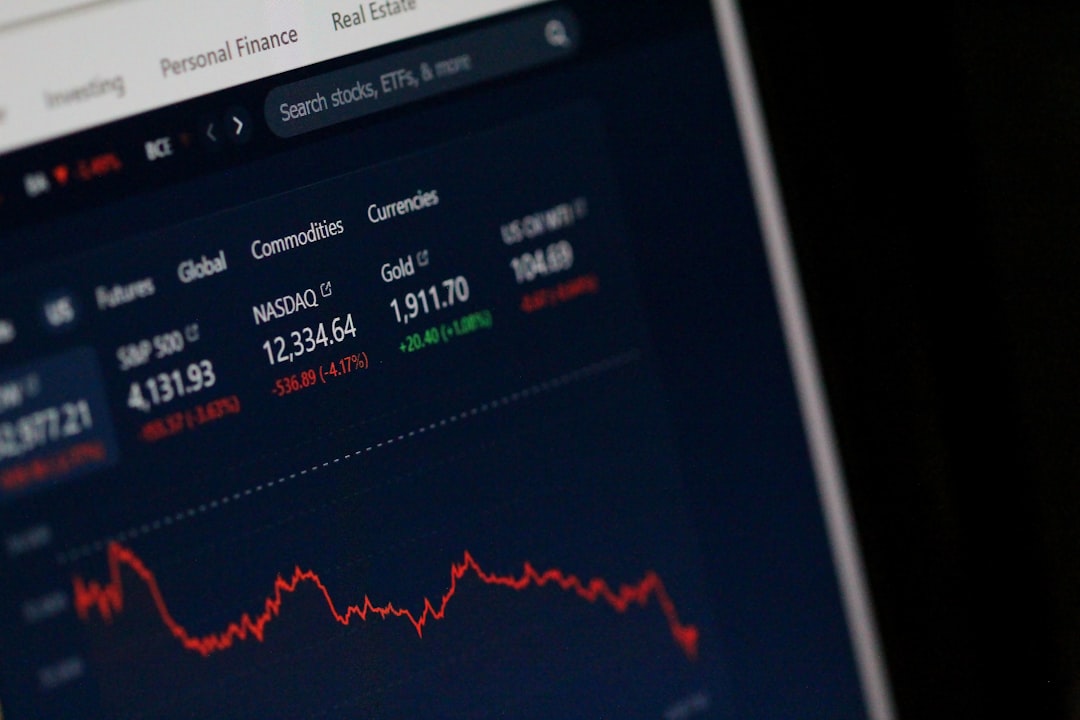
Indian equity indices opened on a positive note with the Sensex climbing over 430 points and the Nifty 50 surpassing the 24,600 mark in early trade.
India's benchmark equity indices opened on a strong footing, with the Sensex rising over 430 points and the Nifty 50 breaching the 24,600 level in early morning trade. The gains reflect continued investor optimism in the domestic market, though broader market movements remained subdued as participants awaited fresh macroeconomic data and corporate earnings updates.
The Bombay Stock Exchange's 30-share Sensex opened in positive territory, clocking gains that suggest a constructive sentiment among institutional and retail investors. Alongside this, the National Stock Exchange's Nifty 50 index also reflected the upward momentum, maintaining levels above the psychologically important 24,600 mark as trading commenced.
Market Breadth and Sectoral Performance
Early trading sessions showed mixed signals across different sectors, with some segments outperforming others. Banking and financial services stocks, which typically lead market movements in India, appeared to be driving much of the upside. Energy and infrastructure-related counters also attracted buying interest, though consumer discretionary shares remained relatively subdued.
The broader market — represented by mid-cap and small-cap indices — did not match the enthusiasm seen in the large-cap space. This divergence is not uncommon in Indian equity markets, where foreign institutional investor flows and domestic fund allocations often favour large-cap blue-chip companies over smaller counterparts. Market watchers noted that the concentration of gains in a few heavyweight stocks was a feature of the day's trading.
Stock-specific movements reflected a mix of factors, including quarterly results announcements, sector-specific news, and general market sentiment. Several companies that had reported strong earnings in recent weeks continued to attract buying, whilst others faced profit-taking after recent rallies. The volatility index, a measure of market fear or complacency, remained within moderate ranges, suggesting investors were not overly anxious about immediate market corrections.
Global and Domestic Factors Driving Sentiment
The positive opening came against a backdrop of mixed global cues. International oil prices, which significantly influence Indian markets given the country's substantial crude oil imports, remained relatively stable. Currency movements, particularly the rupee's performance against the US dollar, also played a role in investor calculations, especially for export-oriented companies and multinational corporations operating in India.
Domestically, expectations around upcoming macroeconomic data — including inflation figures, manufacturing output, and services sector activity — kept traders engaged. The Reserve Bank of India's monetary policy stance continues to influence equity market sentiment, with investors closely monitoring signals about potential interest rate adjustments in coming months. Any indication of policy shifts could trigger significant market movements, making the current period a delicate balance between optimism and caution.
Geopolitical developments and their potential impact on global growth trajectories also weighed on investor minds. Commodity prices, particularly metals and agricultural products, reflected global supply-demand dynamics that could have cascading effects on Indian corporate profitability and inflation metrics.
Investor Participation and Market Liquidity
Trading volumes in early sessions appeared healthy, suggesting reasonable participation from both institutional and retail investors. Domestic mutual funds and insurance companies, which are significant contributors to Indian equity market liquidity, remained active buyers of select stocks. Foreign portfolio investors, after months of net selling, appeared to be taking a more measured approach, with flows varying based on global risk appetite and India-specific developments.
The presence of adequate liquidity is crucial for smooth market functioning, particularly during volatile periods. Indian equity markets have developed significantly in terms of infrastructure and participant diversity over the past two decades, making them more resilient to sudden shocks compared to earlier eras. This structural improvement has been reflected in relatively stable market operations even during periods of heightened global uncertainty.
Retail investor participation, which has grown substantially since the pandemic, continued to shape market dynamics. Increased retail interest in equities through online trading platforms and demat accounts has created a more diverse investor base, reducing the over-dependence on institutional flows that characterised Indian markets in earlier periods.
Looking Ahead: Key Events and Market Catalysts
The coming weeks are likely to witness several important events that could influence market trajectories. Corporate earnings seasons from major Indian companies will provide insights into business performance and profitability trends. Quarterly results from financial services, information technology, and FMCG sectors will be particularly scrutinised, as these are barometers of broader economic health.
Government policy announcements, particularly around taxation and infrastructure spending, could also move markets significantly. Any updates on the fiscal deficit trajectory or changes to tax treatment of different asset classes would attract immediate investor attention. Similarly, regulatory announcements from sectoral bodies — whether related to telecommunications, banking, or insurance — could trigger sector-specific rallies or selloffs.
The monsoon season's progress remains a critical variable for Indian markets, given the economy's significant dependence on agricultural output and rural consumption. Weather patterns and rainfall forecasts directly influence food price inflation and rural purchasing power, both of which have multiplier effects across the economy.
Market participants are also keeping a close eye on global central bank actions, particularly the US Federal Reserve's interest rate trajectory. Any shifts in American monetary policy can trigger capital flows between emerging and developed markets, affecting Indian equity valuations and currency stability. The interplay between global interest rates and India's domestic policy environment will remain a crucial driver of investor sentiment in coming months.
The opening gains of over 430 points on the Sensex and the Nifty's breach of 24,600 reflect a market that remains fundamentally constructive despite periodic bouts of volatility. Whether this momentum sustains will depend on incoming economic data, corporate performance, and global developments — the eternal factors that drive equity market movements across all markets and time periods.