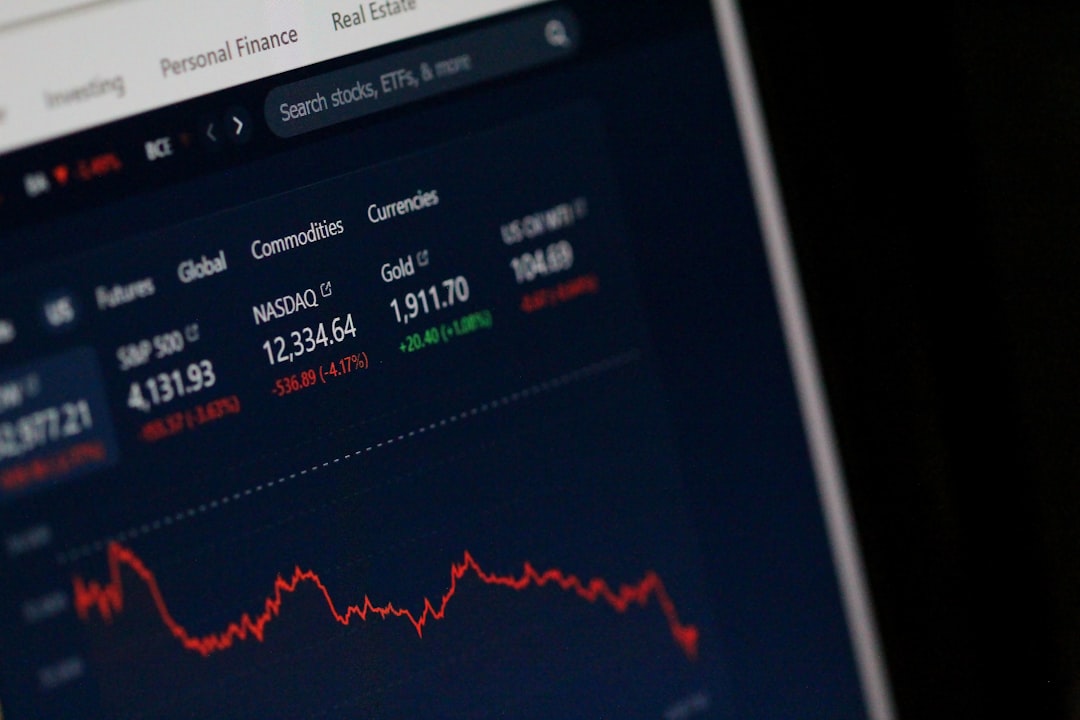
Oil prices fall to eight-month lows while authorities outline measures to stabilise markets and protect consumers from further fluctuations.
Brent crude oil has declined to $80 per barrel, marking a significant retreat from recent highs and triggering fresh concerns about energy market instability. The downward movement has prompted government officials to announce a coordinated approach aimed at mitigating the effects of crude price volatility on domestic consumers and the broader economy.
The drop in Brent prices reflects a complex interplay of global supply dynamics, demand concerns, and macroeconomic headwinds that have weighed on energy markets in recent weeks. Analysts attribute the decline to a combination of factors, including softening global demand signals, increased production from key suppliers, and broader geopolitical considerations affecting international crude flows.
Market Dynamics Behind the Price Fall
The descent of Brent crude to the $80 mark represents a substantial shift from the elevated price levels that prevailed earlier in the year. This movement reflects underlying tensions between crude supply and global consumption patterns, with international markets responding to shifting perceptions about economic growth prospects across major consuming regions.
Energy markets have historically exhibited considerable sensitivity to macroeconomic indicators, particularly those signalling recession risks or demand contraction. The current price environment suggests that traders are pricing in a more cautious outlook for global oil consumption, even as geopolitical factors continue to create upside risks to prices. The interplay between these competing forces has created significant volatility, with prices swinging sharply in response to data releases and policy announcements.
Crude oil's role as a fundamental input across numerous industries—from transportation and manufacturing to petrochemicals and fertiliser production—means that price movements ripple through economies far beyond energy sectors alone. A barrel priced at $80 carries vastly different implications for inflation, corporate profitability, and consumer purchasing power compared to price levels seen in recent years, making market stability a matter of genuine economic consequence.
Government Response and Stabilisation Measures
Recognising the destabilising effects of crude price swings, government authorities have committed to implementing measures designed to cushion domestic consumers and businesses from extreme volatility. These pledges typically encompass a range of policy tools, from managing domestic fuel pricing mechanisms to coordinating with international partners on market stability initiatives.
Governments in crude-importing nations face a delicate balancing act when oil prices fluctuate sharply. Allowing retail fuel prices to move freely with international benchmarks protects public finances but imposes immediate hardship on consumers and businesses dependent on fuel. Conversely, subsidising or capping domestic fuel prices shields consumers from price shocks but creates fiscal strain and can distort market signals. The commitment to mitigate volatility suggests authorities are exploring mechanisms to smooth price transmission to end-users whilst maintaining reasonable fiscal discipline.
Strategic petroleum reserves represent one traditional tool for managing price volatility. Releasing crude from reserves during price spikes can help moderate prices, whilst accumulating reserves during price lows provides a buffer for future supply disruptions. Beyond reserve management, governments may also coordinate with other oil-importing nations to present a unified approach to international markets, potentially influencing prices through collective signalling about demand and purchasing intentions.
Broader Economic Implications and Consumer Impact
The significance of crude price movements extends well beyond energy sectors to encompass inflation dynamics, monetary policy considerations, and consumer welfare across entire economies. When oil prices fall, the benefit is not uniformly distributed—whilst consumers enjoy lower fuel and transportation costs, energy-producing regions and companies face reduced revenues and profitability, potentially affecting employment and investment in those sectors.
For consumers, the immediate effect of lower crude prices typically appears at petrol and diesel pumps, where a sustained decline in international benchmarks eventually translates into reduced retail costs. This provides relief to household budgets, particularly for those with limited disposable income for whom fuel costs represent a significant expense. Businesses reliant on fuel-intensive operations—from logistics and transport to manufacturing—similarly benefit from lower energy input costs, which may translate into improved margins or reduced prices for customers.
However, the volatility itself creates challenges independent of the direction of price movement. Businesses struggle to forecast input costs and plan capital investments when crude prices swing unpredictably. Airlines, shipping companies, and logistics providers operate in an environment of heightened uncertainty, making it difficult to lock in pricing with customers or plan route and capacity decisions with confidence. This uncertainty can depress investment and economic activity, even if average price levels are reasonable.
Historical Context and Future Outlook
Crude oil markets have experienced extreme volatility at various points in history, with prices ranging from single digits to over $100 per barrel within relatively short timeframes. The 2008 financial crisis, the 2014-2016 collapse in oil prices, and the dramatic swings during the COVID-19 pandemic all demonstrated the far-reaching consequences of uncontrolled price movements. These episodes revealed how crude volatility can amplify broader economic downturns, destabilise government finances in oil-dependent economies, and create ripple effects across global supply chains.
The current price environment, with Brent at $80, sits within a range that most analysts consider neither excessively high nor dangerously low from a long-term perspective. However, the volatility surrounding this level reflects genuine uncertainty about future supply and demand balances. Ongoing geopolitical tensions, production decisions by major suppliers, and evolving energy transition policies all create potential for future price swings, making government efforts to establish stabilisation mechanisms increasingly important.
Looking ahead, the energy transition adds another layer of complexity to crude markets. As economies gradually shift away from fossil fuels, long-term demand growth for crude oil faces structural headwinds. This structural shift may eventually resolve some volatility by reducing speculative interest and creating more stable, lower demand trajectories. In the interim, however, markets are navigating a transition period where traditional supply-demand dynamics remain important whilst emerging uncertainties about future energy systems create additional unpredictability.
The government's commitment to mitigating volatility acknowledges that whilst price movements themselves are inevitable in commodity markets, policymakers have tools to reduce their most destabilising effects on economies and consumers. Whether through strategic reserves, fiscal measures, or international coordination, addressing volatility represents an important dimension of energy security and economic stability that extends far beyond simple concerns about whether prices are rising or falling.