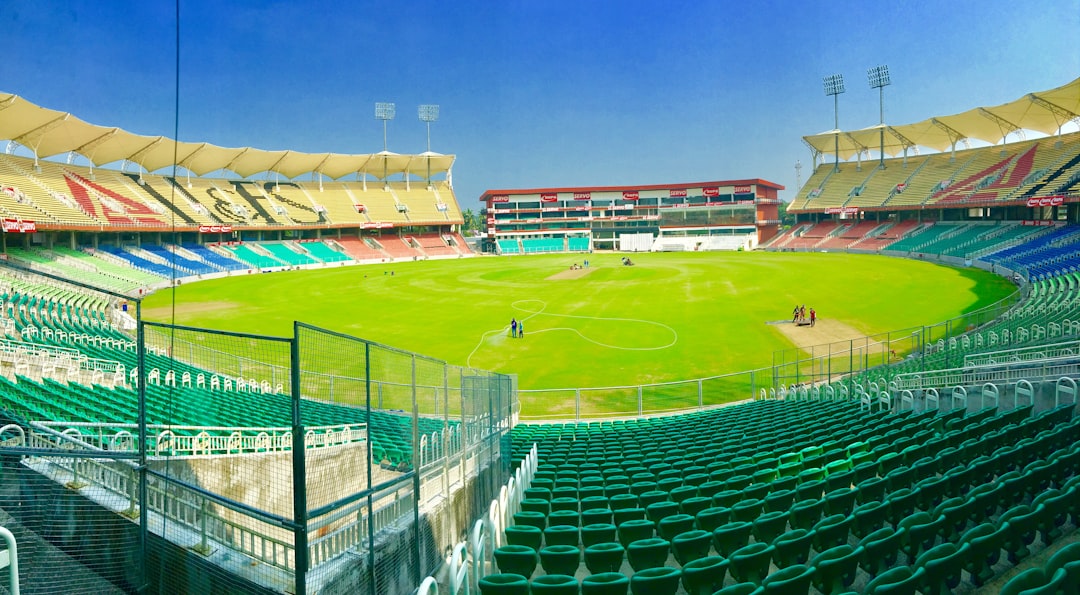
Australia will forgo practice matches before the five-Test series in India, relying instead on an intensive training camp to prepare for the January 2027 Border-Gavaskar Trophy.
Australia has made an unconventional strategic decision ahead of the 2027 Border-Gavaskar Trophy, committing to a preparation model that dispenses with traditional warm-up matches in favour of a concentrated training camp on Indian soil. The five-Test series will commence in Nagpur on January 21, 2027, marking the start of what promises to be one of cricket's most anticipated bilateral contests.
The Australian cricket team will transition directly into their intensive conditioning programme following the conclusion of their home series against New Zealand, rather than scheduling preparatory fixtures against Indian domestic or state sides. This approach represents a calculated gamble, prioritising focused skill work and acclimation to subcontinental conditions over the traditional rhythm-building benefits that warm-up matches typically provide.
Strategic Rationale Behind the Training Camp Approach
The decision to bypass warm-up cricket in favour of a comprehensive training camp reflects a modern shift in how international teams approach touring preparation. Rather than relying on match practice against potentially uneven opposition, Cricket Australia's leadership has opted for a structured, data-driven model that emphasises specific skill development, fitness conditioning, and environmental adaptation. This methodology allows coaching staff to tailor the programme to address identified weaknesses and build team cohesion without the unpredictable variables that come with competitive fixtures.
Training camps of this nature typically incorporate various elements: specialised nets sessions focusing on technique against specific bowling types, physical conditioning tailored to Indian heat and humidity, mental preparation protocols, and detailed video analysis of opposition strengths. Coaches can control the intensity and focus of each session, ensuring that players develop the precise skill sets required for the unique challenges of Test cricket in India.
The timing of the preparation phase—immediately following the New Zealand series—allows Australian players to transition from domestic conditions to the fundamentally different challenges posed by Indian pitches and climate. Rather than losing momentum through uncompetitive warm-up fixtures, the squad will maintain match sharpness from their home campaign whilst simultaneously beginning the process of adaptation to subcontinental cricket.
Adaptability and Squad Selection Based on Local Conditions
Cricket Australia has built flexibility into its planning, acknowledging that local conditions in India closer to January 2027 may necessitate adjustments to the touring squad composition. This pragmatic approach recognises that pitch conditions, weather patterns, and other environmental factors observable only in the weeks preceding the series could influence team selection decisions. Rather than finalising the squad months in advance with limited local intelligence, the board has reserved the right to make modifications based on real-time information gathered during the training camp.
This conditional approach to selection carries both advantages and risks. On one hand, it allows the selectors to respond to emerging form, injuries, or unforeseen circumstances with greater agility. On the other, it introduces an element of uncertainty for players competing in domestic competitions for spots on the touring party. The Australian domestic summer and Sheffield Shield campaign will serve as the primary stage for players to stake their claims, knowing that final confirmation may yet depend on factors beyond their immediate control.
Historically, Test teams touring India have benefited from detailed pre-series reconnaissance of pitch characteristics, ground dimensions, and weather patterns specific to each venue. The training camp model permits Australia to gather this intelligence systematically, allowing the coaching staff to refine their strategic approach based on observed conditions rather than theoretical preparation.
The Border-Gavaskar Trophy Context and Historical Significance
The Border-Gavaskar Trophy represents one of international cricket's most compelling rivalries, contested between Australia and India across five Test matches. The series has produced some of the sport's most memorable encounters, characterised by intense competition, technical brilliance, and dramatic reversals of fortune. Historically, the trophy has alternated between the two nations, with success often hinging on how effectively teams adapt to their opponents' home conditions.
Australia's recent record in India has been mixed, reflecting the inherent difficulty of Test cricket on the subcontinent. The Indian pitches—particularly in venues like Nagpur, where the 2027 series begins—typically favour spin bowling and reward patience and technical discipline. Australian teams must typically manage the transition from pace-friendly conditions at home to surfaces where controlling spin and building innings through application become paramount.
The 2027 series will be contested under conditions that neither team can fully predict at this distance. Weather patterns, pitch preparation decisions by the Board of Control for Cricket in India, and the form of key players all remain variables. However, the decision to eschew warm-up matches suggests that Cricket Australia believes its players possess sufficient technical foundation and experience to adapt effectively through targeted training rather than match practice.
Modern Trends in International Cricket Preparation
Australia's approach aligns with broader trends in elite international cricket, where coaching philosophies have increasingly emphasised data analytics, targeted skill work, and controlled training environments. Several teams have experimented with reducing or eliminating warm-up fixtures, arguing that modern players benefit more from structured, purposeful preparation than from matches against lesser-quality opposition that may instil false confidence or poor habits.
The training camp model also reflects logistical and financial considerations. Organising warm-up matches requires coordination with domestic boards, ground availability, and accommodation arrangements. A centralised training camp reduces these complexities whilst allowing the coaching staff to maintain complete oversight of player welfare, fitness levels, and skill development. In an era where sports science and performance analysis command substantial resources, teams increasingly view these elements as central to competitive success.
However, this approach is not without critics. Traditionalists argue that match practice—even against moderate opposition—provides invaluable experience in managing pressure situations, building partnerships, and developing the rhythm and confidence that come from competitive cricket. The debate between preparation through structured training versus match experience remains ongoing within coaching circles globally.
What Lies Ahead: Timeline and Expectations
The Australian team's journey towards the January 2027 Border-Gavaskar Trophy will unfold across several months. The home series against New Zealand will provide the immediate context, offering recent match experience and allowing selectors to assess form and fitness. Following that series, the squad will transition into the dedicated training camp in India, where the focus will shift entirely to preparation for the five-Test challenge.
The decision to commence the series in Nagpur sets an intriguing opening venue. Nagpur's Vidarbha Cricket Association Stadium has hosted numerous Test matches and is known for pitches that can be unpredictable, sometimes favouring pace bowling in the early stages before deteriorating to favour spin. The opening match will therefore serve as a crucial indicator of how effectively Australia's preparation strategy has translated into competitive performance.
For Australian cricket followers, the 2027 Border-Gavaskar Trophy represents an opportunity to witness how modern preparation methodologies perform against one of international cricket's toughest challenges. The gamble of foregoing warm-up matches will be judged ultimately by results on the field—whether the focused training camp approach proves sufficient to compete effectively against India's formidable home advantage. As the series date approaches, the effectiveness of this unconventional preparation strategy will become apparent, potentially influencing how international teams approach touring cricket in future years.