Chief Minister Pinarayi Vijayan's limited public communication during Kerala's latest flood crisis has sparked political backlash and public concern.
Kerala's Chief Minister Pinarayi Vijayan has come under intense scrutiny for his notably restrained public engagement during the state's severe flooding crisis, with opposition parties and sections of the media questioning his apparent distance from relief operations and public communication at a time when the disaster has displaced thousands and caused significant loss of life.
The flooding, which has ravaged several districts across the state, represents one of the most severe weather-related disasters Kerala has experienced in recent years. Large swathes of the state have been submerged, with entire villages cut off and critical infrastructure damaged, yet the Chief Minister's office has issued few public statements or undertaken visible ground visits to affected areas, a departure from conventional crisis management practice in India.
The Scale of the Disaster and Initial Response
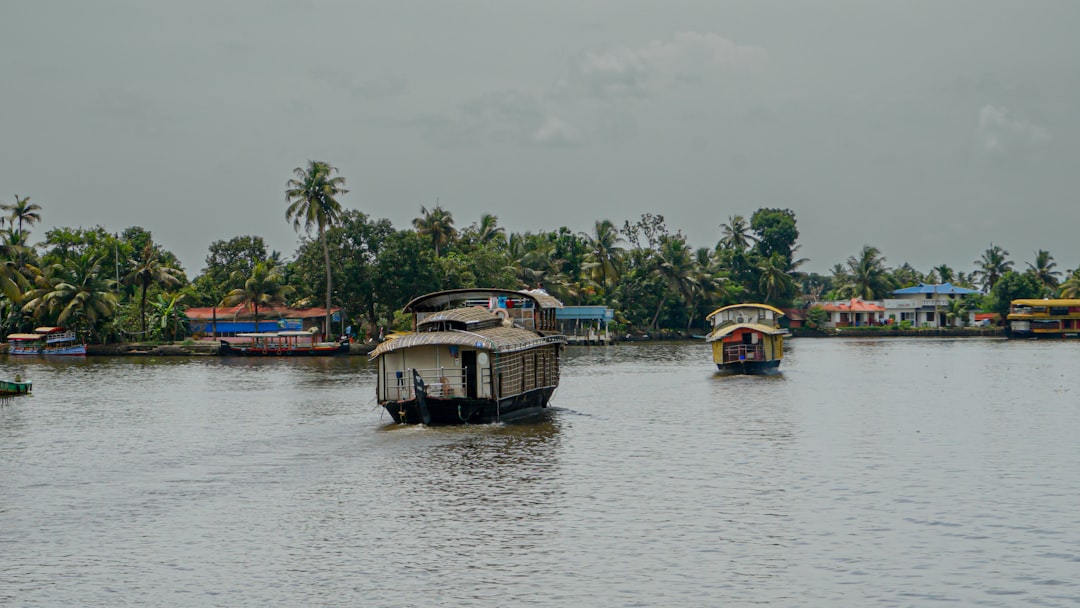
The floods have affected multiple districts across Kerala, with particularly severe damage reported in the northern and central regions. Heavy monsoon rainfall, exacerbated by overflowing rivers and breached embankments, has triggered landslides in hilly terrain and inundated low-lying areas. Rescue operations have been ongoing, with the state deploying the National Disaster Response Force (NDRF), local police, and civil administration personnel to evacuate stranded residents from rooftops and flooded communities.
The death toll has climbed into double figures, with several persons reported missing. Thousands have been sheltered in relief camps across the state, whilst hospitals have been stretched managing flood-related injuries and waterborne illnesses. Agricultural land has been submerged across farming-dependent districts, threatening the livelihoods of rural communities already vulnerable to economic fluctuations.
The state government's initial response focused on logistical coordination between district administrations, emergency services, and relief organisations. However, the absence of high-profile public statements or televised briefings from the Chief Minister's office has become increasingly conspicuous as the disaster has unfolded over successive days.
Political Criticism and the 'Silence' Narrative
Opposition parties, particularly the Bharatiya Janata Party (BJP) and the Indian National Congress, have seized upon the Chief Minister's limited public visibility to mount political criticism. Congress leaders have characterised the situation as a failure of administrative preparedness and executive accountability, arguing that a disaster of this magnitude demands visible leadership and direct communication with affected populations.
The BJP has taken a sharper stance, suggesting that the state government's response has been hampered by bureaucratic delays and insufficient coordination at the highest level. Party representatives have called for the Chief Minister to make public appearances, address the state on broadcast media, and provide transparent updates on casualty figures, displacement numbers, and relief distribution efforts.
Social media platforms have amplified these criticisms, with citizens and political activists posting messages questioning why the Chief Minister has not been visibly present at disaster coordination centres, relief camps, or affected districts. The narrative of administrative silence has gained traction, particularly among sections of the urban middle class who consume news through digital channels.
The ruling Communist Party of India (Marxist)-led government has not directly responded to accusations of insufficient communication, though party spokespersons have stated that the administration is fully engaged in relief operations and that public statements would be issued as the situation develops.
Historical Context and Kerala's Disaster Management Record
Kerala has experienced severe flooding previously, most notably in 2018 and 2019, when consecutive monsoons caused widespread devastation. During those crises, political leaders, including the Chief Minister of that period, undertook highly publicised relief visits, addressed press conferences, and maintained regular communication with the public through multiple media channels. Those events established a precedent for executive visibility during major disasters in the state.
The state's disaster management infrastructure has been strengthened since 2018, with improved early warning systems, enhanced coordination protocols between district administrations, and pre-positioned relief supplies. However, the effectiveness of these measures depends partly on the political will and administrative attention directed towards implementation during actual crises.
Kerala's unique position as a state with high literacy rates and strong media engagement means that public perception of leadership during crises carries significant political weight. Citizens expect transparent communication, regular updates, and visible accountability from elected officials, particularly the Chief Minister. The absence of such communication can rapidly erode public confidence, regardless of the actual effectiveness of behind-the-scenes administrative efforts.
Administrative Efforts and the Communication Gap
District collectors and local administrators have been actively coordinating rescue and relief operations, liaising with NDRF teams, managing relief camps, and distributing essential supplies to affected communities. Senior police officials and civil servants have been working extended shifts to manage the crisis at the ground level. These efforts, however, have received limited amplification through official state media channels or prominent public announcements from the Chief Minister's office.
The disconnect between administrative action and public communication represents a significant challenge in crisis management. Whilst officials may be working effectively, the absence of high-level public communication can create an impression of governmental indifference or incompetence, particularly when rival political parties actively narrate the crisis in negative terms.
Expert observers of Kerala's political landscape have noted that the current Chief Minister's administrative style generally favours low-profile functioning compared to some predecessors, who were known for more flamboyant public engagement. This stylistic difference, whilst possibly reflecting personal preference, has become a liability during a disaster when public reassurance and transparent communication are essential components of crisis management.
The state government's official media cell has issued periodic updates on relief operations, casualty figures, and resource deployment, but these releases have been largely text-based and have not been accompanied by the visual imagery or direct statements that typically characterise high-profile crisis communication in Indian politics.
Implications for Public Confidence and Political Fallout
The emerging narrative of administrative silence threatens to overshadow whatever relief efforts are being undertaken by the state machinery. In Indian politics, perception and visibility are as consequential as actual performance, particularly during crises when the public is emotionally vulnerable and seeking reassurance from leadership.
If the Chief Minister does not substantially increase public communication and visible engagement with the crisis in the coming days, the political damage could extend beyond the immediate disaster. Voters may interpret the limited communication as a sign of weak leadership or administrative negligence, sentiments that can influence electoral behaviour in future state and local elections.
The opposition parties are likely to maintain pressure on this issue, using the flood crisis as a springboard for broader critiques of the current government's administrative competence. Media coverage will continue to highlight the contrast between the scale of the disaster and the muted response from the Chief Minister's office.
For the ruling CPI(M), the challenge now is to recalibrate its communication strategy without appearing defensive or opportunistic. The party's traditional emphasis on administrative efficiency and socialist values would suggest that it should prioritise transparent, frequent communication with affected populations as part of its crisis response framework.
Path Forward and Expected Developments
In the immediate term, observers expect the Chief Minister to issue public statements, undertake relief camp visits, and address the state through broadcast media. Such actions, though delayed, would be standard practice and would help restore public confidence in the government's engagement with the crisis.
The state government may also establish a dedicated crisis communication cell or designate a senior minister to serve as the public face of relief operations, thereby ensuring regular updates and visible accountability. International examples from disaster management in other Indian states suggest that such measures are effective in mitigating the political fallout from administrative silence.
The broader lesson from this crisis, as it unfolds, will likely influence how future administrations in Kerala approach disaster communication. The state's politically engaged citizenry and strong media presence mean that lessons learned during this flood will be remembered and referenced in subsequent crises. For now, the silence from the Chief Minister's office continues to dominate the political narrative, drowning out whatever substantive administrative efforts may be underway on the ground.