The veteran actor shares emotional account of his health battles, revealing multiple heart blockages alongside cancer treatment.
Veteran actor Pradeep Rawat has offered a candid look into one of the most challenging periods of his life, recounting his battles with both cancer and severe cardiac complications in an emotionally charged conversation. The actor, known for his roles in Hindi cinema and television, became visibly moved while discussing the dual health crises that tested his physical and mental resilience.
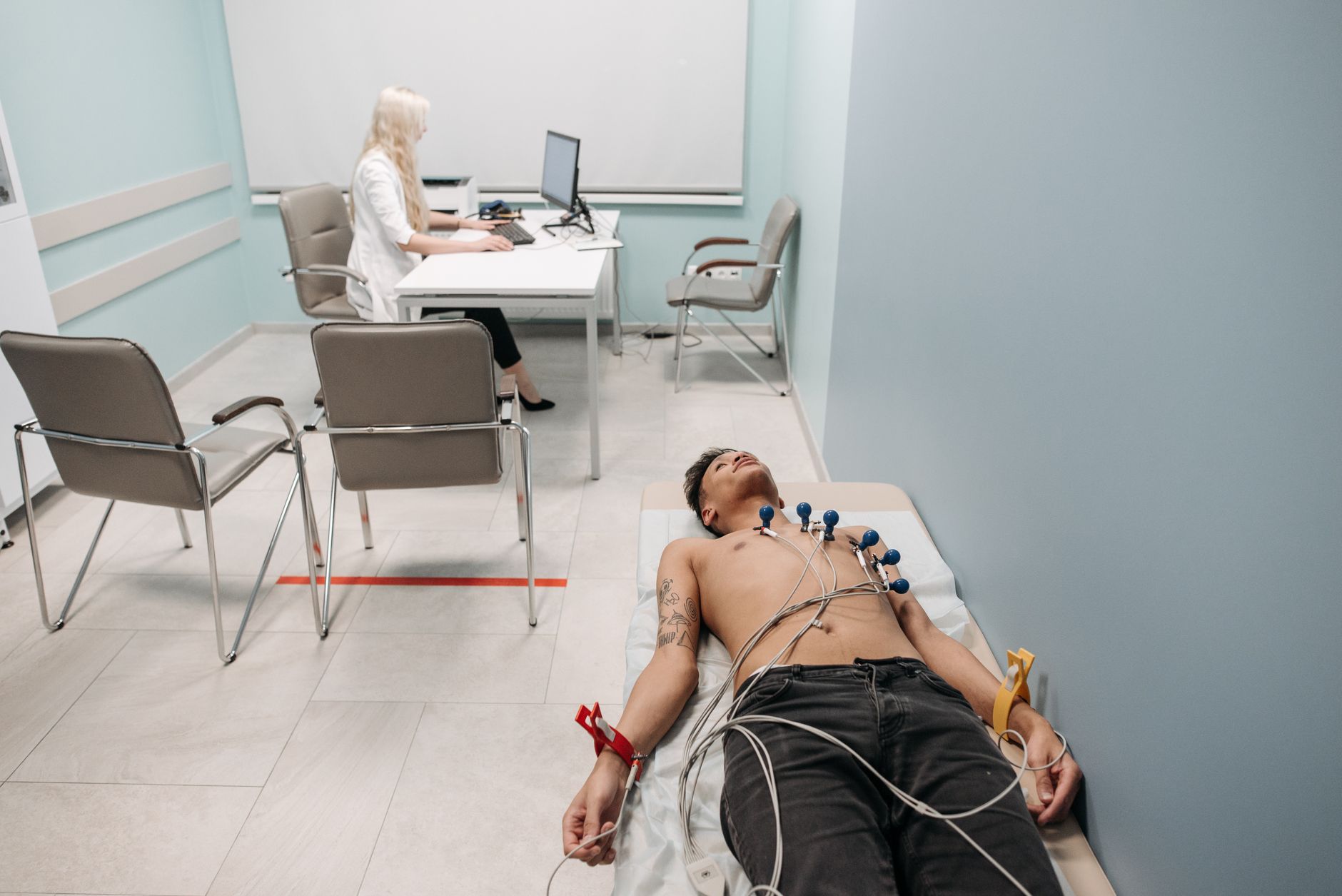
Speaking about his experiences, Rawat revealed that he had been diagnosed with six heart blockages at the same time he was managing cancer treatment. The combination of these two serious medical conditions created an extraordinarily difficult situation, forcing him to navigate complex medical decisions and gruelling treatment protocols simultaneously. His willingness to discuss these deeply personal struggles reflects a broader trend among public figures in India who are increasingly using their platforms to destigmatise serious health issues.
The Dual Health Crisis
The discovery of multiple cardiac blockages alongside cancer diagnosis presented Rawat with a medical scenario that required careful management and strategic decision-making. Six blockages in the heart represented a significant cardiovascular risk that needed immediate attention, yet the actor was simultaneously undergoing cancer treatment, which itself carries substantial physical demands on the body.
Cancer treatment—whether chemotherapy, radiation, immunotherapy, or surgical intervention—places considerable strain on the cardiovascular system. The combination of cancer medications and the stress of the disease itself can exacerbate existing heart conditions or create new ones. In Rawat's case, managing both conditions simultaneously meant working closely with multiple medical teams to ensure that treatments did not adversely interact and that his overall health strategy balanced the urgency of both diagnoses.
The emotional toll of receiving such diagnoses cannot be understated. Cancer carries significant psychological weight in society, often perceived as life-threatening and unpredictable. When compounded with the knowledge of serious heart disease, the mental burden intensifies substantially. Rawat's emotional response during his recounting—evident in his tears—underscores the profound impact such diagnoses have on patients and their families.
A Journey Through Treatment and Recovery
Rawat's reference to having "walked through fire" encapsulates the intensity of his medical journey. This metaphor speaks to the pain, uncertainty, and perseverance required when facing life-threatening conditions. The phrase suggests not merely surviving medical treatment, but enduring it with consciousness of the severity of his circumstances.
Cancer treatment modalities are often invasive and come with significant side effects. Patients undergoing chemotherapy frequently experience fatigue, nausea, hair loss, weakened immune systems, and cognitive effects sometimes referred to as "chemo brain." When a patient simultaneously manages cardiac complications, the physical burden multiplies. Medications required for heart disease management can interact with cancer treatments, and the stress on the body from both conditions can delay recovery and complicate rehabilitation.
The recovery process from such dual diagnoses typically extends well beyond the active treatment phase. Many cancer survivors report that the psychological aftermath—including anxiety about recurrence and adjustment to life after treatment—can persist for years. Similarly, cardiac patients often require lifestyle modifications, ongoing medication management, and regular monitoring to prevent future events. Rawat's openness about this extended struggle normalises the reality that serious health challenges often have long-term consequences.
Public Health Conversation and Stigma Reduction
When public figures discuss serious health conditions, they contribute significantly to broader societal conversations about disease and treatment. In India, where cultural and social factors sometimes lead to silence around medical issues, such candid discussions serve an important public health function. Rawat's willingness to cry and express emotion while discussing his illness sends a powerful message that vulnerability and emotional honesty are acceptable responses to trauma.
The entertainment industry has historically featured individuals who downplayed health struggles or maintained stoic public personas during medical crises. Rawat's approach—openly acknowledging the emotional and physical difficulty of his experience—represents a shift towards greater authenticity and humanity in public discourse. This authenticity can encourage others facing similar diagnoses to seek help, discuss their experiences with loved ones, and avoid the isolation that often accompanies serious illness.
Cancer and heart disease remain leading causes of mortality globally and within India. Public awareness and understanding of these conditions, their treatment options, and their psychological impacts remain crucial for public health. When respected actors share their experiences, they elevate these conversations beyond medical journals and healthcare settings into popular consciousness, potentially prompting earlier screening, more honest family discussions, and better health-seeking behaviour among audiences.
Resilience and Moving Forward
The fact that Rawat is able to discuss these experiences publicly suggests he has reached a stage of recovery and reflection where he can process and articulate his journey. This itself is a marker of resilience. Many patients who have survived serious health crises report that the ability to speak about their experience represents a form of healing and empowerment.
Rawat's continued presence in public life and his willingness to engage in such personal conversations indicate that he has navigated the acute phase of his health challenges and is now in a position to reflect on and share what he has learned. This progression from acute crisis management to reflective sharing is typical of survivor narratives and often provides hope to those currently undergoing similar treatments.
The broader significance of Rawat's account lies in its humanisation of disease. Medical conditions, particularly serious ones like cancer and heart disease, are often discussed in clinical or statistical terms. When patients and survivors articulate their personal experiences—the fear, the pain, the emotional complexity—they create a more complete picture of what these diagnoses mean in lived experience. This fuller understanding fosters greater empathy and more nuanced social conversations around health.
For Rawat's colleagues in the entertainment industry and his audience members, his openness provides a reminder that serious health challenges can affect anyone, regardless of professional status or public visibility. It also demonstrates that survival and recovery are possible, and that discussing one's struggles is not a sign of weakness but rather an act of courage that can benefit others facing similar circumstances.